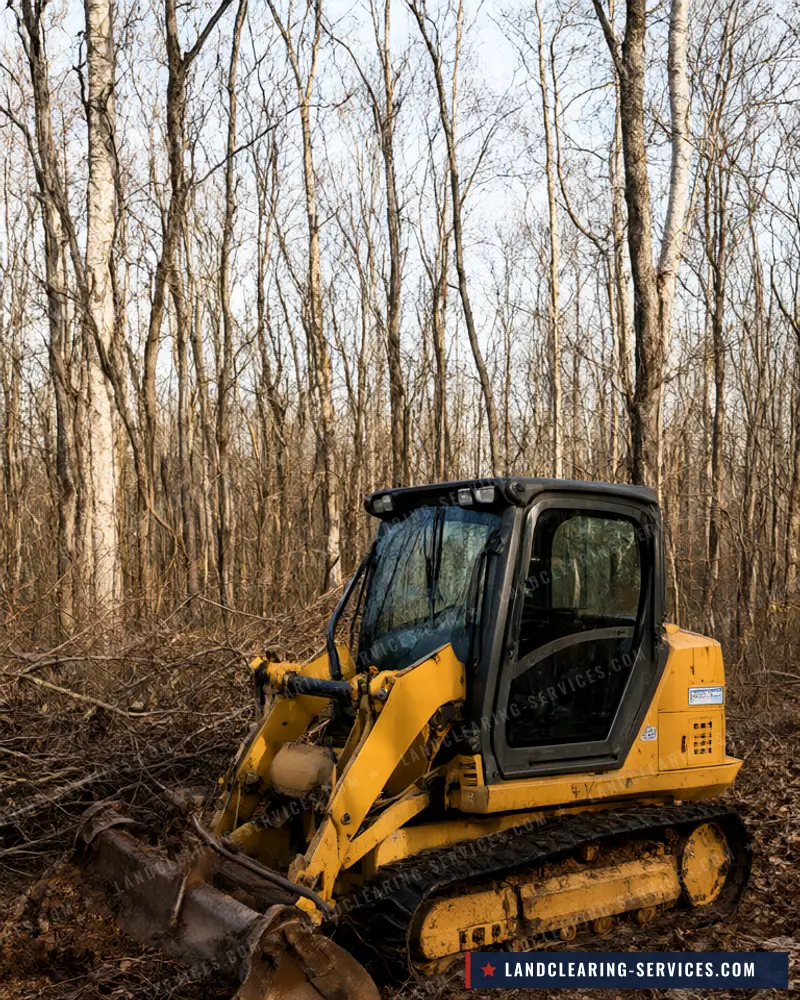
Brush and Underbrush Clearing Services: Privet, Cedar, Buckthorn, Blackberry and Scrub Removal
I started on a dozer in Georgia red clay at 19, and since 2019 I have managed Clearline Land Services across all 48 contiguous states. When thick undergrowth chokes your lot, the method dictates your day rate. A skid steer mulcher runs $2,500 to 3,200 a day for this land-clearing service, transport included inside 60 miles of the crew's yard. Our crews handle brush clearing and underbrush removal with fixed daily rates. Send the form or call (888) 709-7985. Marisol emails a budget range the same day and books the free on-site estimate with the crew nearest you.
- 48 contiguous
states - Insured
crews - Same-day
budget range
48 statesContiguous coverage
$2,500–3,200Skid steer mulcher, per day
60 milesTransport included
Same dayBudget range by email
Underbrush Clearing: Removing Undergrowth Without Taking the Trees
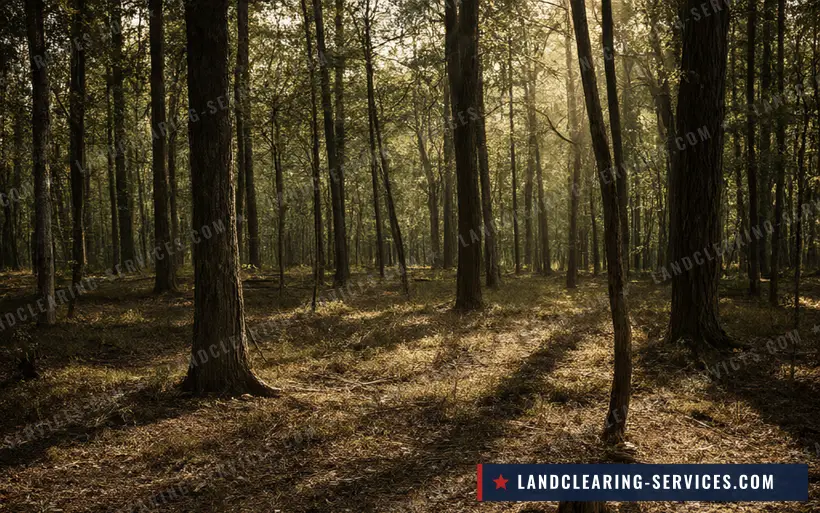
Underbrush clearing focuses on removing unwanted small saplings, vines, and thick brush while leaving mature canopy trees standing. On our jobs, landowners want to eliminate pest habitats, open up sightlines, and restore their pasture without stripping the ground bare. Clearing overgrown underbrush opens light to the dirt, helps desired vegetation thrive, and makes the land functional for roads, pastures, or home sites. Removing dense brush is one main obstacle, but clearing overgrown brush brings many benefits and creates usable, healthier ground. Keeping large oaks or pines intact preserves shade, prevents soil erosion, and maintains high property value while clearing out the thick undergrowth below.
Brush Clearing, Scrub Removal and Landscape Clearing: What's the Difference
People use these terms interchangeably, but each target requires a different approach on the site to improve usability and land’s appearance.
- Underbrush clearing targets small saplings, briars, and vines beneath an existing canopy. The machinery floats over ground roots to protect mature timber.
- Scrub removal handles low, dense woody growth like chaparral, palmetto, or mesquite in open areas where stems rarely exceed four inches in diameter.
- Landscape clearing addresses thickets near structures, clearing land near house pads, backyards, and property lines where fine control is required.
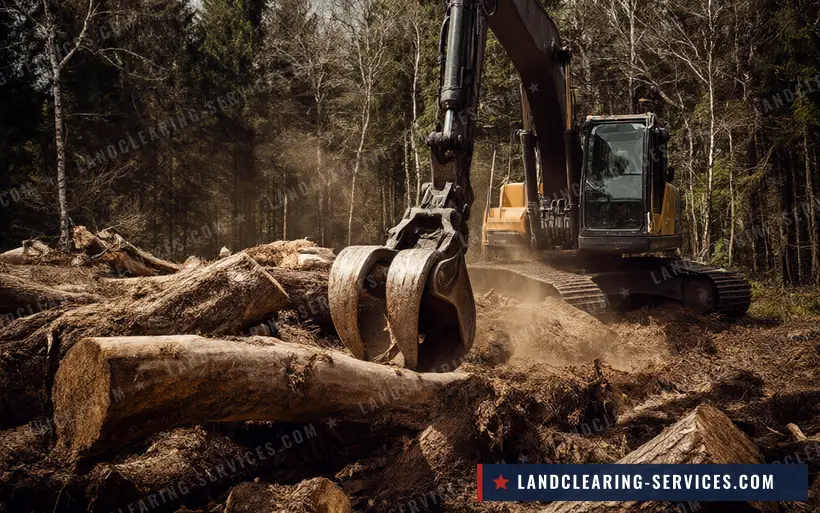
- Full land management and site preparation grubs every stump to bare earth for construction, roads, or foundation work.
Choosing the right process protects desired vegetation, reduces debris handling, and lowers overall costs per acre for your backyard or pasture.
Brush Cutting and Mulching Methods: Tools for Clearing Brush
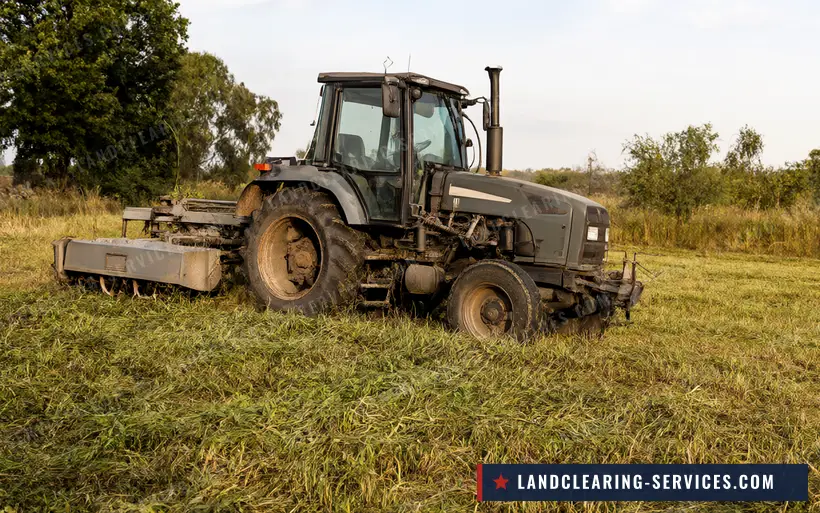
Small acreage projects often start with hand tools, but hand labor quickly runs out of steam past an acre. A landowner buying a walk-behind brush cutter or a high hp commercial lawn mower with a heavy blade finds that thick undergrowth, hidden rocks, and small trees destroy light equipment quickly. A basic tractor with a rotary cutter can handle soft weed patches and small saplings, but dense brush destroys grass blades and light gear. DIY efforts with a basic mower, small chainsaw, or rental walk-behind brush-clearing equipment present a high hazard of breakdown when facing heavy brush.
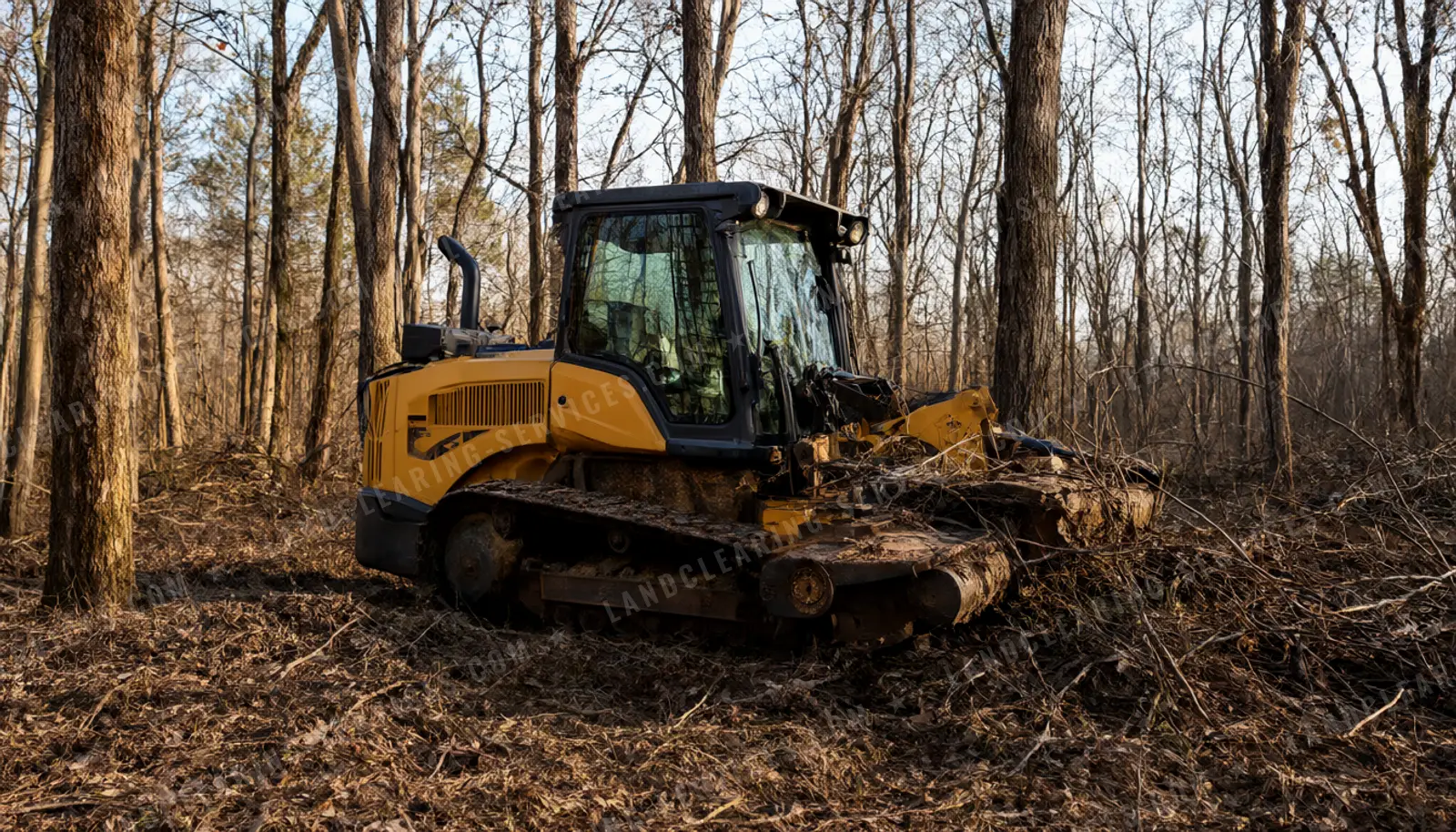
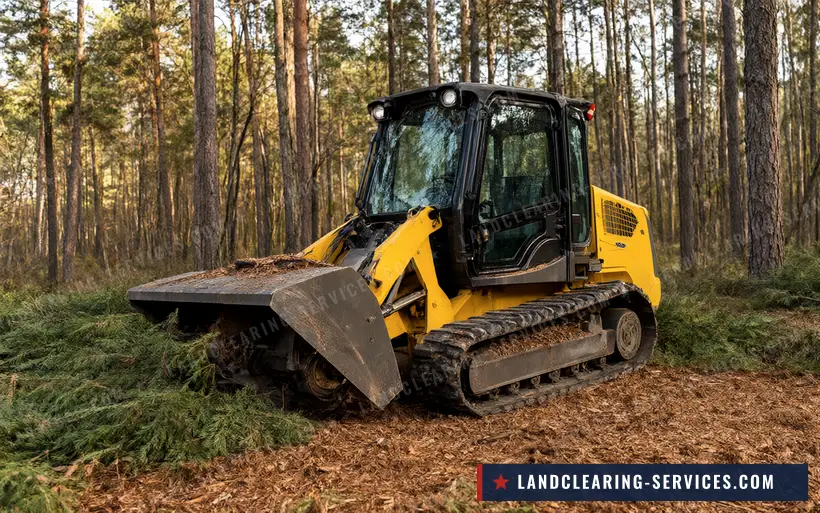
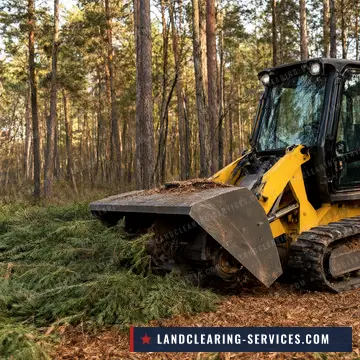
For heavy thickets, professional brush clearing services rely on commercial brush-clearing equipment like a forestry mulcher mounted on a skid steer or a dedicated 300 hp head. This type of equipment grinds standing small saplings, berry vines, and thick brush into a clean mulch layer in a single pass. For large stems, an operator uses a chainsaw followed by cut-stump chemical application to kill the root systems. Mulching leaves no debris piles to burn or haul, making it a safer and cleaner way of preparing land without fire hazards.
Tree and Brush Clearing for Overgrown Property by Region
Every region in the country grows a specific nuisance plant that requires specialized brush removal to clear brush and manage overgrowth.
Southeast
Chinese privet, sweetgum, and kudzu vine cover pine floors. On a job in Cherokee County, Georgia, we cleared 4 acres of dense privet under pine in two days using a skid steer mulcher for $5,800.
Texas and Oklahoma
Eastern red cedar and mesquite swallow pasture land. Last fall, one of our Texas crews cleared a half-acre lot in Weatherford for $2,900. On a tract in Logan County, Oklahoma, we cleared 20 acres of dense cedar using a 300-hp dedicated mulcher for $18,500 plus transport.
Midwest
Buckthorn and bush honeysuckle overgrow hardwoods, starving each sapling of light and nutrient resources.
Northeast
Multiflora rose, bittersweet vines, and autumn olive tangle fence lines. On a job in the Hudson Valley, New York last winter, we cleared 1 acre of buckthorn and rose on frozen ground for $3,100.
Northwest
Himalayan blackberry and Scotch broom choke access roads and borders.
West and Mountain states
Pinyon-juniper, chaparral, and sagebrush present severe fire hazards. In Bend, Oregon, we cleared 2 acres of juniper defensible space around a residence for $4,600.
Selective Clearing: Keep the Mature Trees, Remove the Undergrowth
Selective clearing removes invasive brush, dead fall, and choked saplings while preserving hardwood or pine timber. I've priced thousands of acres where landowners want a park-like yield rather than a clear-cut dirt pad. An operator uses compact forestry mulchers to move between desirable trees without damaging trunk bark or compacting sensitive root systems. This method leaves ground cover intact, helps minimize erosion on slopes, and keeps the land visually appealing while eliminating fuel ladders for wildfires.
Fence Line, Trail and Firebreak Brush Clearing
Overgrown fence lines and blocked access trails prevent regular maintenance and create property line disputes. Brush clearing along fences removes leaning saplings, heavy vines, and invasive scrub that push down wire. Creating clean access trails allows trucks, utility vehicles, and livestock to move freely without risk from overgrown vegetation. In western states, building clean firebreaks along boundaries satisfies local fire district rules and provides critical defensible space against forest fires.
Why Brush Comes Back and How We Slow It
Privet does not know it is in Georgia; it would do the same thing in Ohio. Woody growth responds to land clearing based on its root system. Resprouting species like privet, tallow, buckthorn, and mesquite send up dozens of fresh shoots from the stump if simply cut down. Seeding species like eastern red cedar and juniper do not resprout from the root; once cut below the lowest green branch, the plant dies.
To slow regrowth on resprouting brush, our crews apply targeted cut-stump herbicide treatments or establish a dense mulch layer that blocks sunlight from reaching bare dirt. Routine maintenance to mow or bush hog once a year keeps young small saplings from re-establishing, making long-term control straightforward for any land clearing company.
Brush Clearing Cost per Acre
We price brush clearing by the day or by the acre based on growth density and terrain. Here is how our rates break down for landowners nationwide:
Skid steer forestry mulcher
$2,500 to 3,200 per day, transport included inside 60 miles of our crew's yard.
Dedicated 300-hp mulcher
$3,800 to 4,500 per day plus transport for heavy timber and dense thickets.
Forestry mulching per acre
$1,000 to 2,500 per acre for light to medium cover; $2,500 to 4,000 per acre for thick, dense brush.
Full clearing to bare dirt with root stump removal
$2,500 to 6,000 per acre depending on rock, slope, and haul distance.
Half-acre residential lot
Completed in one day for $2,500 to 3,200.
Stump grinding
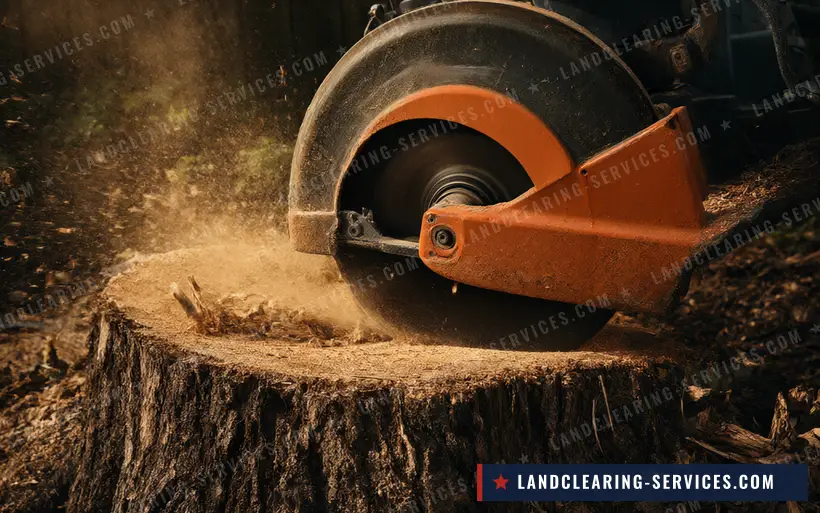
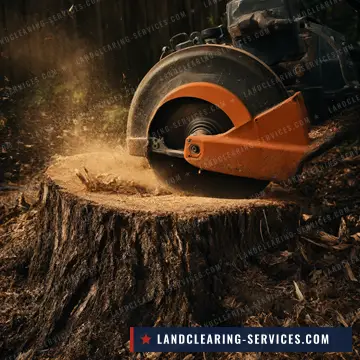
$3.50 to 5 per inch of diameter, with a $150 to 200 minimum per stump.
Maintenance bush hogging
$50 to 100 per acre, with a $350 to 450 job minimum.
For a detailed estimate on your acreage, call (888) 709-7985 or submit the online form. Marisol will email a budget range the same day and schedule your free on-site walk with our local crew lead near you.
Brush clearing Cost Calculator
Planning range from 2025–2026 national price data. Change any answer and the range updates.
Open the full land clearing cost calculator
Brush Clearing Companies by State
Clearline Land Services offers land clearing services in all 48 contiguous states. Whether you need scrub cleared in Arizona, privet mulched in Alabama, or buckthorn removed in Wisconsin, our local teams operate within a 60-mile radius of regional yards. We bring commercial-grade tools and equipment, experienced operators, and clear written estimates to every job, ensuring your land management goals are met on schedule.
states
Brush Clearing FAQ
How much does brush clearing cost per acre?
Light to medium brush clearing using a forestry mulcher costs $1,000 to 2,500 per acre. Heavy, dense thickets with small trees run $2,500 to 4,000 per acre. Full clearing to bare dirt with stump removal ranges from $2,500 to 6,000 per acre depending on terrain and haul requirements.
Do I need a permit to clear brush on my land?
Clearing brush and undergrowth on private property generally does not require a permit. However, if your tract contains protected wetlands under USACE jurisdiction, lies within a designated fire district, or falls under municipal tree preservation ordinances, specific guidelines apply. Check with local authorities before disturbing ground near waterways.
How long does it take to clear one acre of heavy brush?
A professional crew using a skid steer forestry mulcher can clear one acre of medium brush in half a day to one full day. Dense, overgrown land with trees up to eight inches in diameter typically takes one full day per acre.
Will brush grow back after forestry mulching?
Non-resprouting species like cedar die completely once cut. Resprouting species like privet, buckthorn, or mesquite will send up shoots unless the stump is treated with targeted herbicide or repeatedly mowed. The heavy mulch layer produced during mulching slows seed germination significantly.
What is the difference between bush hogging and forestry mulching?
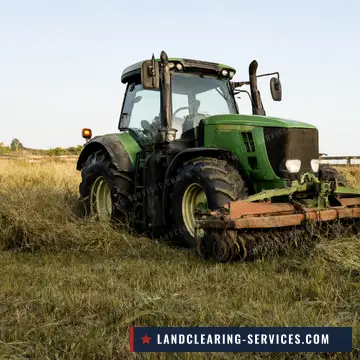
Bush hogging uses a rotary mower to cut soft weeds, tall grass, and thin saplings up to two inches thick. Forestry mulching uses heavy steel teeth on a high-powered rotor to grind standing trees up to twelve inches in diameter, heavy brush, and thickets into fine mulch.
How do I schedule a brush clearing quote?
Call (888) 709-7985 or send the form with your project details. Marisol emails a budget range the same day and arranges an on-site evaluation with the crew nearest you.
 Land clearing
 Forestry mulching
 Lot clearing
 Tree clearing
 Stump grinding
 Site prep & dirt work
 Bush hogging
 Mulching vs. bulldozing