Land Clearing Services in Kentucky: Eastern red cedar Cleared on Lots and Acreage from Louisville Metro to Eastern Kentucky mountains
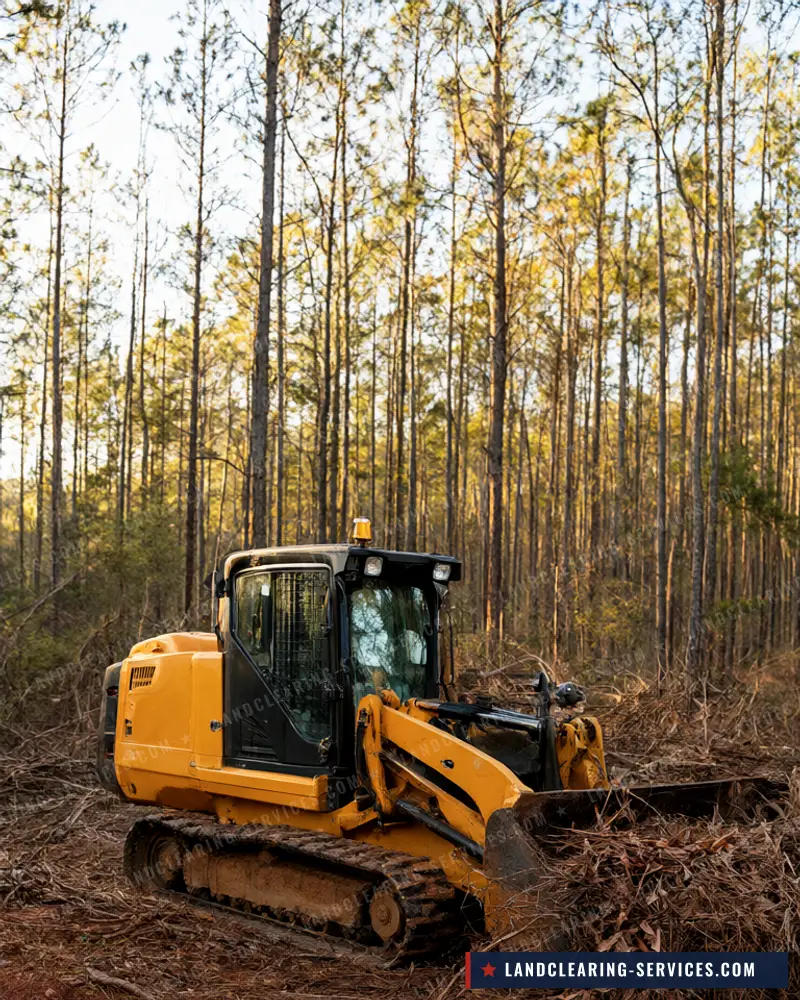
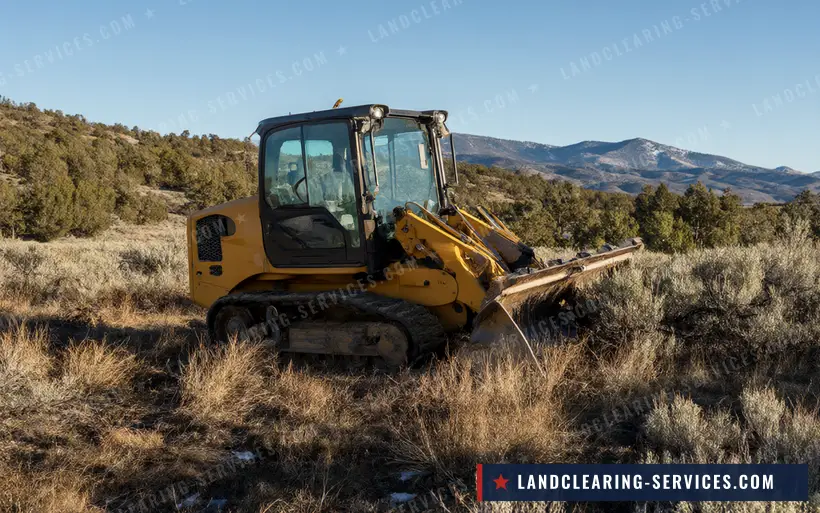
Work here starts where eastern red cedar invades thin topsoil over limestone rock. I started on a dozer in Georgia red clay at 19, and running clearing crews across 11 states taught me that karst, sinkholes and surface rock dictate how machinery moves. In the Bluegrass and Pennyrile regions, a skid steer mulcher clears trees and brush without turning pasture into a mud pit. That equipment runs $2,500 to $3,200 a day, transport included inside 60 miles of the crew's yard. Our local crews help property owners clear overgrown lots from Louisville to the eastern mountains. Call (888) 709-7985 or send the form. Marisol emails a budget range the same day and books the estimate with the crew nearest you.
- 48 contiguous
states - Insured
crews - Same-day
budget range
48 statesContiguous coverage
$2,500–3,200Skid steer mulcher, per day
60 milesTransport included
Same dayBudget range by email
Land Clearing Services in Kentucky for Acreage and Lots
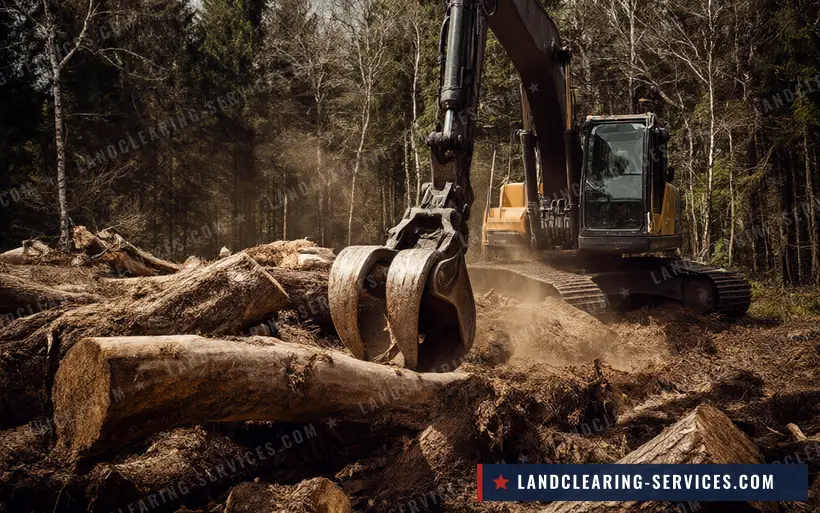
Lot and acreage work across the state requires matching machine size to ground cover and slope. Our company offers expert land clearing, residential work, acreage reclamation, and site prep with daily rates. On our jobs, we use forestry mulching to grind brush and trees while protecting thin limestone soils.
Forestry mulching
one machine shreds standing timber, sapling lines, and invasive brush into a fine mulch layer. $1,000 to $2,500 per acre for light to medium density; $2,500 to $4,000 for dense cover.
Traditional land clearing methods
full clear to dirt with stumps grubbed, piled, or hauled off, plus rough grading. $2,500 to $6,000 per acre depending on rock, slope, and haul distance.
Lot clearing
residential site work for a half-acre lot takes one day, running $2,500 to $3,200.
Brush clearing and fence lines
clearing bush honeysuckle, multiflora rose, and dense brush to reclaim pasture or property lines.
Stump grinding
$3.50 to $5 per inch of trunk diameter, with a $150 to $200 minimum per stump.
Tree removal and clearing
we remove trees and brush together across full tracts rather than single decorative lawn trees.
Site prep and excavation
ground work for a building pad, home construction, or a driveway runs $150 to $200 an hour with operator.
We do not pour concrete, drill water wells, set septic tanks, or demolish houses. I know contractors across all 48 contiguous states who handle those steps. Clearline Land Services provides upfront day rates so property owners know exact field expenses before work begins.

Land Clearing Across Kentucky: Regional Dirt, Rock, and Vegetation
This state contains five distinct ground profiles, and every site work project must adjust for soil depth and surface stone.. Contractors who treat mountain slopes like flat bottomland quickly break equipment. Our local crews handle every terrain type across the commonwealth.
contiguous states
- 01
Louisville Metro and Southern Indiana edge
heavy clay, bush honeysuckle, and high residential growth. Clearing for residential projects, driveways, and building pads leads the work here. Our crew provides efficient residential land clearing for local build sites.
- 02
Lexington and the Bluegrass
shallow soil over limestone ledges. Eastern red cedar and escaped Bradford pear cover unmanaged fields. Karst sinkholes mean a pad site gets walked before bringing in heavy dozers. We clear overgrown land and wildlife habitats carefully across these karst areas.
- 03
Northern Kentucky
steep clay hills along the Ohio River valley packed with honeysuckle and autumn olive. Slopes require wide-track machinery to maintain stability.
- 04
Western Kentucky and the Pennyrile
river bottom silt, sweetgum, sassafras sprouts, and broad agricultural tracts. Ground dries fast in summer but holds water through spring.
- 05
Eastern Kentucky mountains
steep, thin topsoil, rock outcroppings, and thick kudzu vines in hollows. Working steep eastern lots adds a day and occasionally requires winch equipment.
Each region forms a distinct service zone. Equipment transport stays included inside 60 miles of the yard serving your county.
What Kentucky Property Owners Clear Most: Cedars and Invasive Species
Eastern red cedar leads most pasture reclamation projects in central and western counties. Cedar takes over shallow limestone soil where grass struggles, quickly choking out grazing acreage. Bush honeysuckle dominates overgrown property around Louisville and Lexington, while autumn olive, multiflora rose, and kudzu cover eastern hillsides. Escaped Bradford pear trees create thorny thickets along unmaintained fence lines.
Minnesota buckthorn and bush honeysuckle are the same job with different roots. Cedar trees do not resprout once cut below the lowest green branch, making a single mulching pass effective. However, broadleaf invasive species like honeysuckle and autumn olive will overgrow unless treated. A heavy mulch layer smothers soft regrowth, protects the soil, and prevents washing off steep slopes. We use professional forestry mulching to help every landowner reclaim usable land without disturbing subsoil stone..
Land Clearing Cost in Kentucky per Acre
Clearing costs depend heavily on surface limestone, hill slope, and growth density based on acreage. Cedar on shallow rock typically falls into the light to medium pricing bracket, making professional land clearing cost calculations straightforward. Here is the daily breakdown we use on estimates across the state.
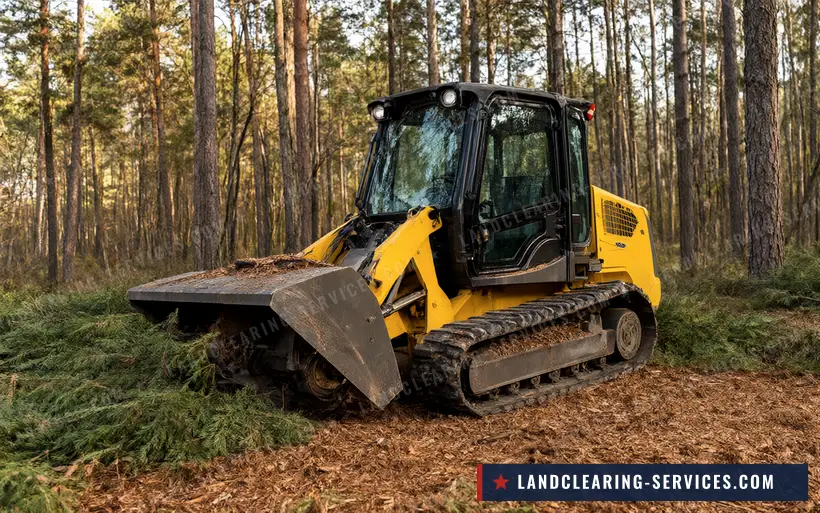
Skid steer mulcher
$2,500 to $3,200 a day, with transport included inside 60 miles of the nearest yard.
Dedicated 300-hp mulcher
$3,800 to $4,500 a day plus long-distance transport for larger timber.
Forestry mulching services
$1,000 to $2,500 per acre for cedar pasture; $2,500 to $4,000 for dense broadleaf brush.
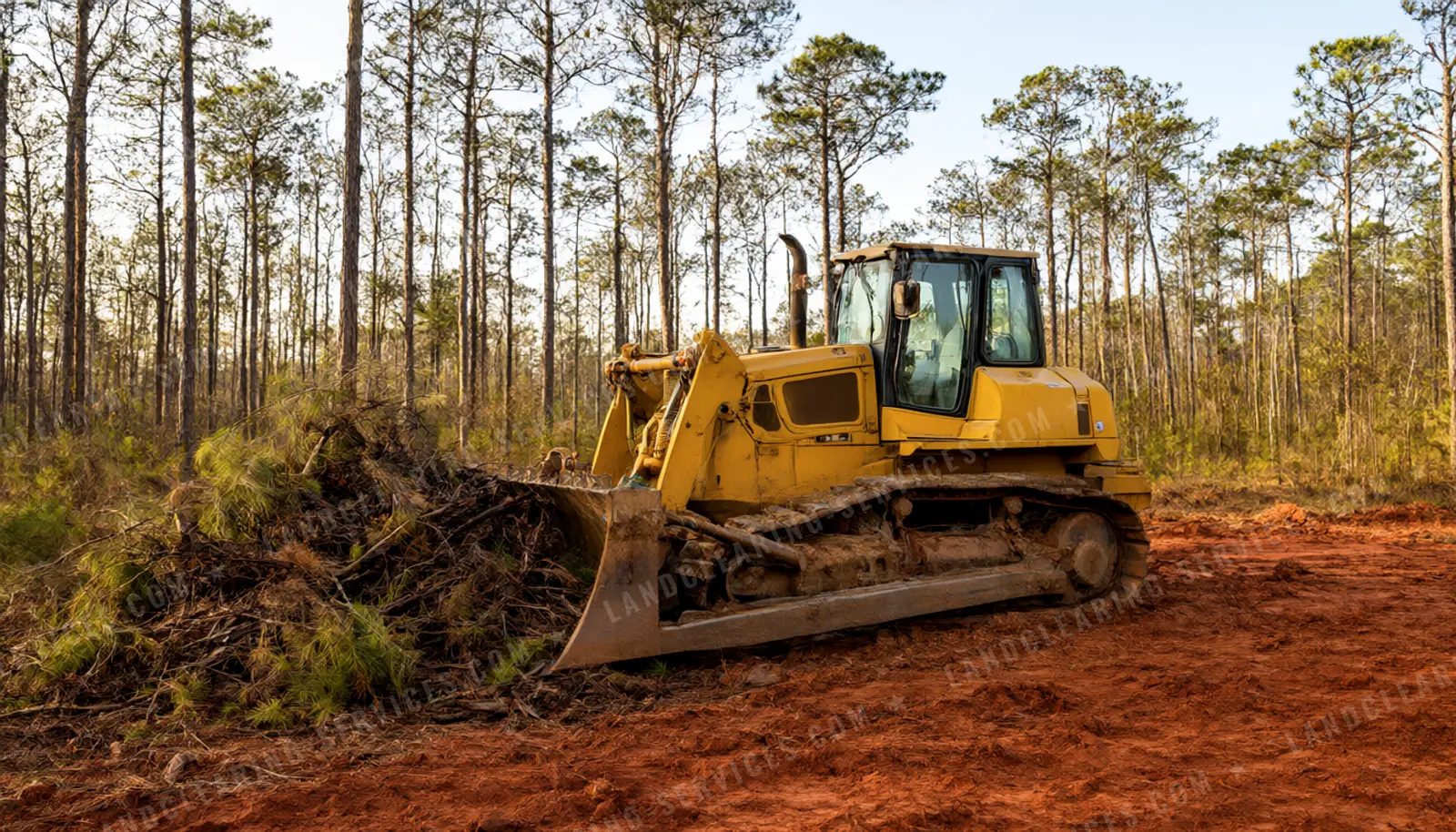
Full clear to dirt with root grubbing
$2,500 to $6,000 per acre depending on haul distance and rock depth.
Dozer or excavator with operator
$150 to $200 per hour; haul-off runs $600 to $1,300 per load.
I've priced acreage clearing in every region of this state. On a job in Logan County, Oklahoma, our crew tackled 20 acres of dense eastern red cedar pasture reclaim using a dedicated 300-hp mulcher. That four-day project ran $18,500 plus transport. Similar cedar pasture jobs across central KY average identical daily progress.. Calculate total acreage, multiply by daily machine production, and add extra time if working steep mountain slopes or wet spring clay. Call (888) 709-7985 or submit our form to request current pricing. You can review detailed regional breakdowns on our cost page.
Land Clearing Cost Calculator for Kentucky
Planning range from 2025–2026 national price data, adjusted to Kentucky costs. Change any answer and the range updates.
Open the full land clearing cost calculatorBest Season to Clear Your Land in Kentucky: Winter Frozen Ground to Fall
Fall remains the premier window to prep acreage in this state.. Weather stays dry, temperatures cool off machinery, and fallen leaves make property boundaries easy to identify. Winter ground freezing from late December through February offers ideal conditions for forestry mulching and land clearing. Frozen soil acts as a natural roadbed, allowing heavy forestry mulchers to track across low spots without rutting the dirt.
Spring rains from March through May add a wet ground day on clay hills and river bottoms. Dozers on soft spring clay strip topsoil, churn up rock, and knock down small trees. Forestry mulching preserves soil structure during wet months by leaving protective mulch over vulnerable ground. If you plan new home construction or pasture improvement for spring, booking your clearing work during dry winter months keeps construction schedules moving forward..
Kentucky Land Clearing Rules, Permits, and Regulations
Clearing private acreage does not require a general state permit, but specific regulations govern burning, water features, and timber boundaries. I list these regulatory items directly on initial estimates so property owners avoid unexpected violations.
- 01
Open burning permits
the Kentucky Division of Forestry enforces fire hazard seasons under KRS 149.400. During spring (Feb. 15 to April 30) and fall (Oct. 1 to Dec. 15), open burning within 150 feet of woodland or brushland is prohibited between 6 a.m. and 6 p.m. Air Quality rules limit commercial or residential site clearing burns to two contiguous acres.
- 02
Wetland and stream protection
the US Army Corps of Engineers (Louisville and Nashville Districts) enforces Section 404 permits for filling streams or wetlands, operating alongside Kentucky Division of Water permits. Using mulchers to clear vegetation along banks avoids ground disturbance triggers.
- 03
Tree ordinances and utilities
Louisville Metro and Lexington-Fayette enforce urban tree canopy ordinances on development sites. Always dial 811 two to ten full working days before excavation work begins under KRS 367.4911.
- 04
We walk boundaries carefully to avoid dispute.
- 05
Invasive plant management
the Kentucky Transportation Cabinet targets roadside invasive species including Amur Honeysuckle, Kudzu, and Multiflora Rose under state weed control guidelines.
Using forestry mulchers eliminates heavy brush piles entirely, bypassing open burn rules and keeping your project fully compliant with state environmental guidelines.
Cost-Share Programs: NRCS EQIP Brush Management in Kentucky
Working agricultural properties and timber stands may qualify for federal financial support through the NRCS EQIP brush management program under practice code 314. This cost-share initiative helps private landowners eliminate invasive species like bush honeysuckle, eastern red cedar, and multiflora rose to gain land back for wildlife.
Landowners apply directly at their county USDA service center. A district conservationist drafts an initial plan specifying target vegetation, retaining desirable hardwoods, and establishing ground cover rules. We also mow thick brush for wood cleanup and clear access.. Approval takes months, so submit applications before our tree service brings mulchers to your tract.. Once approved, our team executes the mechanical mulching pass responsibly to meet exact NRCS specifications.
Land Clearing Services by Kentucky County and Growth Metro
According to the Census Building Permits Survey 2025, Kentucky recorded 8,817 single-family residential building permits. Growth remains heavily concentrated around key hubs where commercial projects and residential construction require land clearing near louisville. Our team handles professional land clearing in louisville for home sites. Our crews operate across all primary development corridors.
- 01
Louisville Metro and Oldham County
Jefferson County (1,126 permits) and Oldham County (276 permits). Heavy suburban lot clearing, honeysuckle removal, and pad preparation on sticky clay soils.
- 02
Bowling Green and Warren County
Warren County (691 permits). Rapid development over karst limestone terrain requiring careful site preparation and brush clearing.
- 03
Lexington and Bluegrass counties
Fayette County (507 permits), Jessamine County (488 permits), and Madison County (473 permits). Pasture expansion, fence lines restoration, land restoration, and cedar clearing.
- 04
Northern Kentucky
Boone County (447 permits) and Kenton County (412 permits). Steep hill slope clearing, trail cutting, and honeysuckle eradication.
Phase two will add individual county pages. Today, our mobile field teams serve every rural location and growth market statewide with transport included within 60 miles of our equipment yards.
Single-family permits, 2025 Census Building Permits Survey
- Jefferson County1,126
- Oldham County276
- Warren County691
- Fayette County507
- Jessamine County488
- Madison County473
- Boone County447
- Kenton County412

How to Clear Land with Our Local Kentucky Crews
We follow three simple steps when our crews clear your land. First, send the form or call (888) 709-7985 with your county land details, total acreage, and plant types. Marisol emails a budget range the same day and coordinates a field visit with the crew lead near your property. You can trust our land clearing experts to inspect your site quickly.
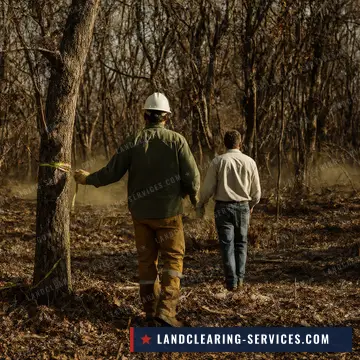
Our local crew lead meets you in person to walk property lines, mark trees, and identify rock ledges. You receive a final written bid detailing exact machine day rates, expected acres per day, and any clear adjustments for rock outcroppings or wet clay conditions before equipment unloads from the trailer. We bring equipment designed for heavy overgrowth, modern mulchers, and deep field experience to every job. Call (888) 709-7985 today to review your project details and book your on-site field estimate.
Frequently Asked Questions About Land Clearing in Kentucky
How much does land clearing cost per acre in Kentucky?
Forestry mulching runs $1,000 to $2,500 per acre for light to medium cedar and brush cover, and $2,500 to $4,000 per acre for dense vegetation. Full clearing to bare dirt with root grubbing costs $2,500 to $6,000 per acre. Half-acre home lots take one day and cost $2,500 to $3,200.
Do I need a permit to clear acreage in Kentucky?
Private land-clearing projects do not require a general state permit. However, the Kentucky Division of Forestry restricts daytime open burning near woods during spring and fall fire hazard seasons under KRS 149.400. Disturbing streams requires US Army Corps of Engineers permits, while utility companies and urban areas enforce special rules.
Can I burn the brush piles after clearing?
Open burning for site prep debris is restricted by state rule 401 KAR 63:005 to a maximum of two contiguous acres at one time, using only natural growth. Daytime burning bans apply near brushland during spring and fall fire seasons. Mulching eliminates burning by turning brush and fallen trees into protective mulch without hauling or burning.
What is the best time of year to prep acreage in Kentucky?
Fall is the optimal season due to dry ground conditions and moderate temperatures. Winter ground freezing from late December through February provides stable footing for heavy mulchers on low ground. Wet spring weather from March to May creates mud delays on clay soils.
How fast can a crew clear my acreage?
Marisol provides an initial budget range by email the same day you contact us. Evaluations are scheduled within a week, allowing us to build trails through wooded areas once land is cleared.
How do I get a field estimate in Kentucky?
Call (888) 709-7985 or submit our online form with your county name, acreage, and vegetation details. Marisol emails a firm budget range the same day and schedules your free consultation with our environmentally responsible field crew.