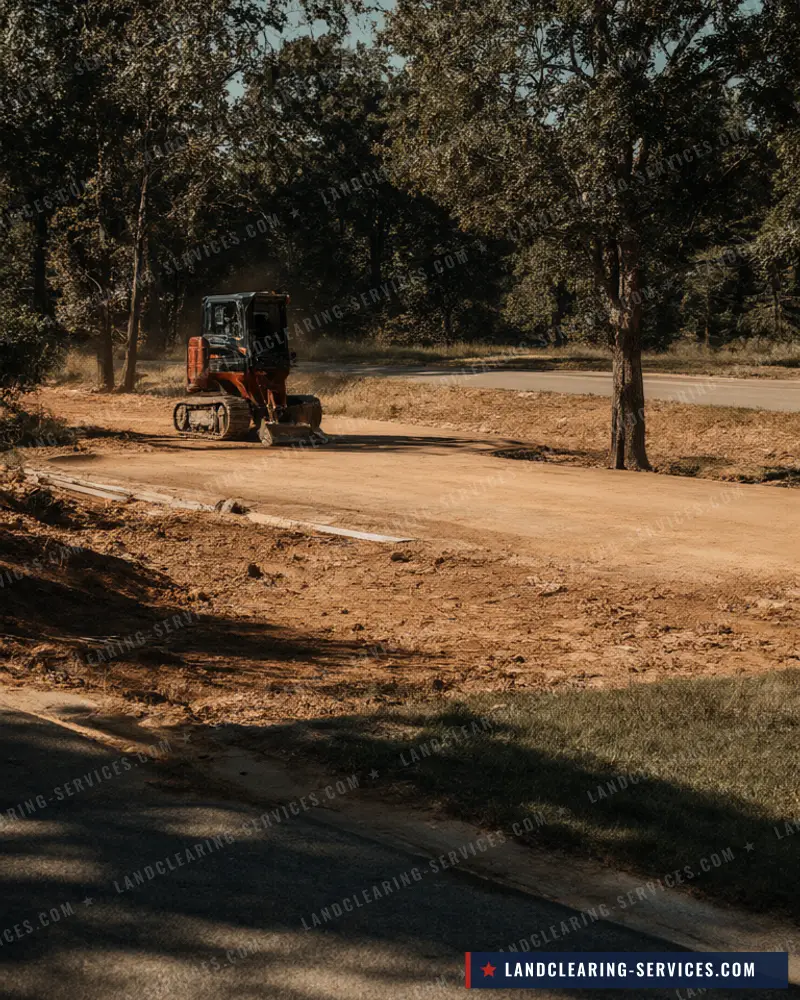
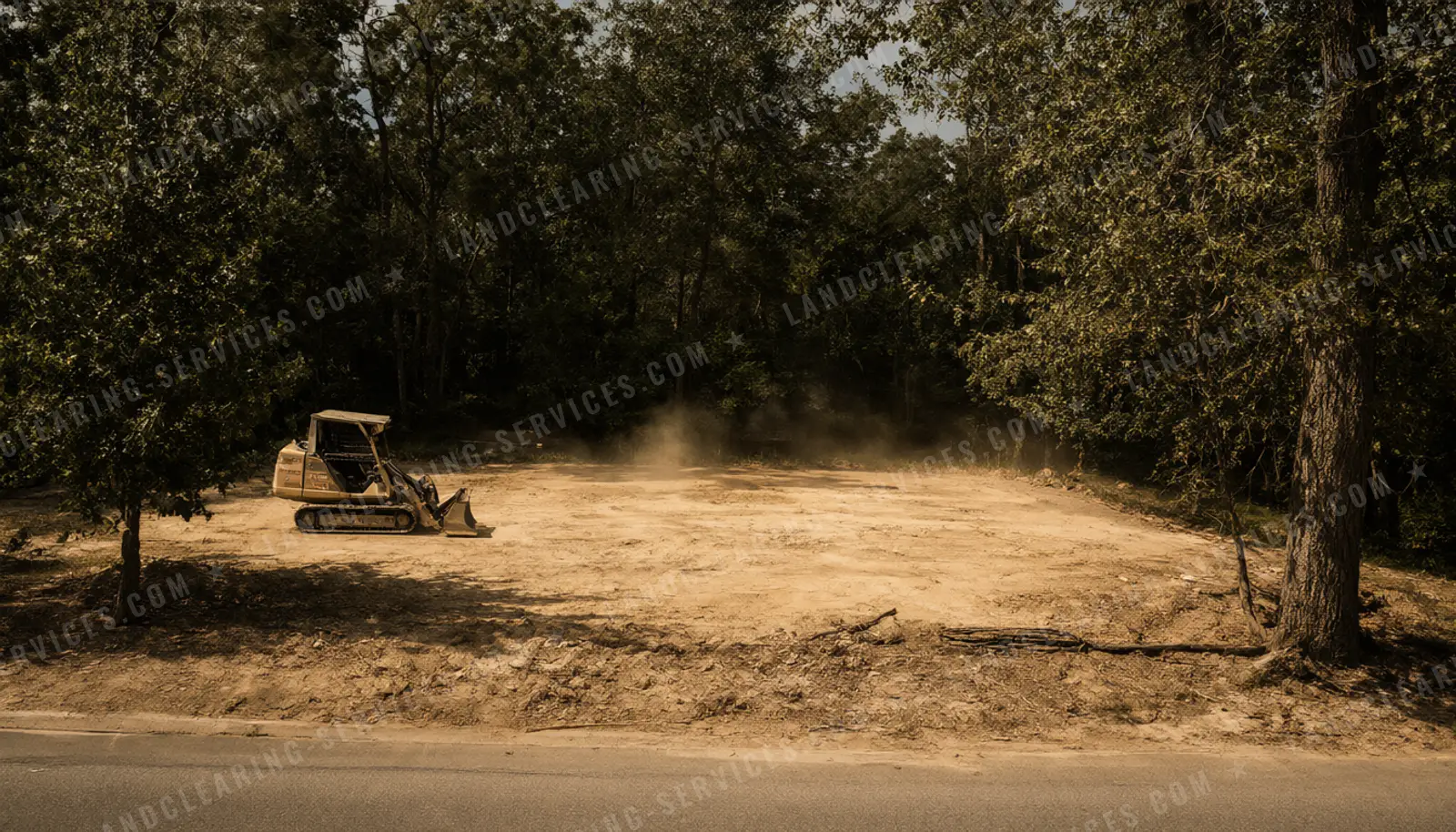
Lot Clearing Services: Build-Ready Lots for New Homes, Barndominiums and Manufactured Homes
Prepping a site for a home comes down to three numbers: building footprint, ground slope, and stem diameter. I started on a dozer in Georgia red clay at 19, and after 20 years running field crews across 11 states, I've priced thousands of home pads. A standard half-acre job takes one day with a skid steer mulcher, running $2,500 to $3,200 total with transport included inside 60 miles of the crew's yard. Whether you are prepping a residential lot for a custom build, setting a pad for a barndominium, or opening commercial land, we give you a firm day rate in writing before heavy equipment unloads. Call (888) 709-7985 or send the site details through our form. Marisol in our estimating office emails a budget range the same day and books an on-site estimate with the crew lead near you.
- 48 contiguous
states - Insured
crews - Same-day
budget range
48 statesContiguous coverage
$2,500–3,200Skid steer mulcher, per day
60 milesTransport included
Same dayBudget range by email
Clearing a Lot for a House: What Happens Before the Foundation
Prepping site ground for a home requires a clear sequence so the foundation contractor can work without delays. On our jobs, we start by marking the building site, setbacks, and utility lines before any machine moves dirt. Extracting root balls inside the home footprint lets structural soil settle evenly under the slab. Dirt does not care about floor plans, but footings care about soft spots where taproots used to sit. Setting up proper drainage solutions during this initial site prep phase prevents heavy spring rains from washing out pad prep before concrete pours. Every site prep project requires a solid baseline before framing begins. Call (888) 709-7985 today to review your site plans.
Clearing Lots for New Home Builds, Barndominiums and Mobile Homes
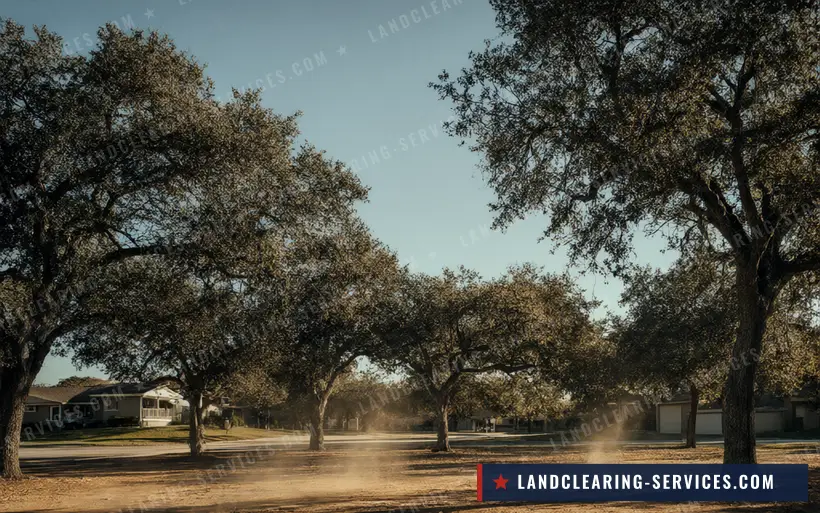
A new construction project requires site prep far beyond the home perimeter. A professional land team maps out the primary structure, driveway access, utility runs, and septic drain field upfront. A custom barndominium project often needs two acres of selective clearing to leave shade trees while clearing out dead trees and unwanted trees around outbuildings. On a job in Weatherford, Texas, one of our Texas crews cleared a half-acre piece of land choked with mesquite in a single day for $2,900, giving the builder immediate access to set forms. We preserve specimen oak stems that county departments mark for protection while removing trees that impede equipment.
What a Lot Clearing Company Does: Trees, Stumps, Brush, Grubbing and Haul-Off
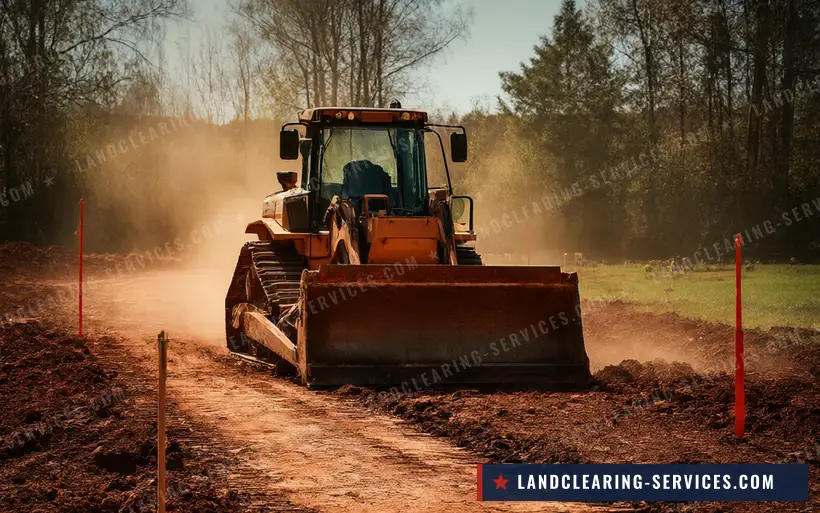
A specialized contractor delivers a site ready for string lines and grade stakes. We bring the right equipment to handle every phase of site clearing on residential and commercial ground alike. Here is what our crews handle on a typical job:
- 01
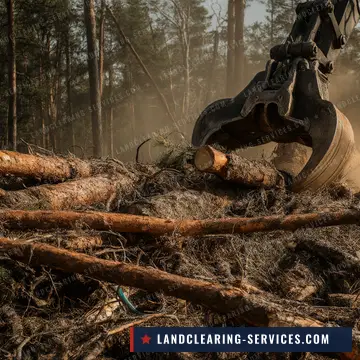
Felling large timber
cutting, topping, and dragging stem wood out of the build area.
- 02
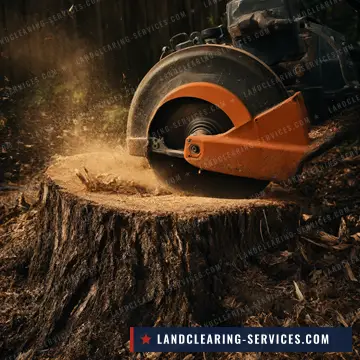
Stump extraction and root grubbing
pulling roots inside the build zone to prevent settling.
- 03
Forestry mulching
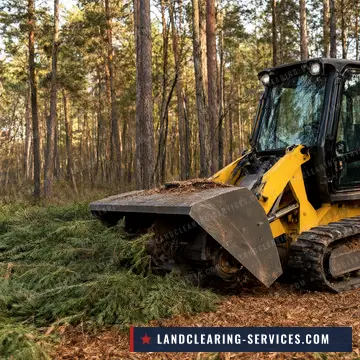
using forestry mulchers to grind undergrowth, saplings, and brush into a stable mulch layer.
- 04
Pad prep and rough lot grading
leveling high spots and cutting access driveways for concrete trucks.
- 05
Haul away service
loading excess debris into dump trucks when burning or on-site processing is restricted.
We do not pour footings or drill wells, but our residential land clearing services help those trades work efficiently. On a tract in the Hudson Valley, New York last winter, we cleared an acre of multiflora rose and buckthorn on frozen ground in January for $3,100, keeping site work on schedule despite cold weather. Our crews deliver professional land clearing services across every project size.
Clearing a Wooded Lot vs. Overgrown Lot Cleanup
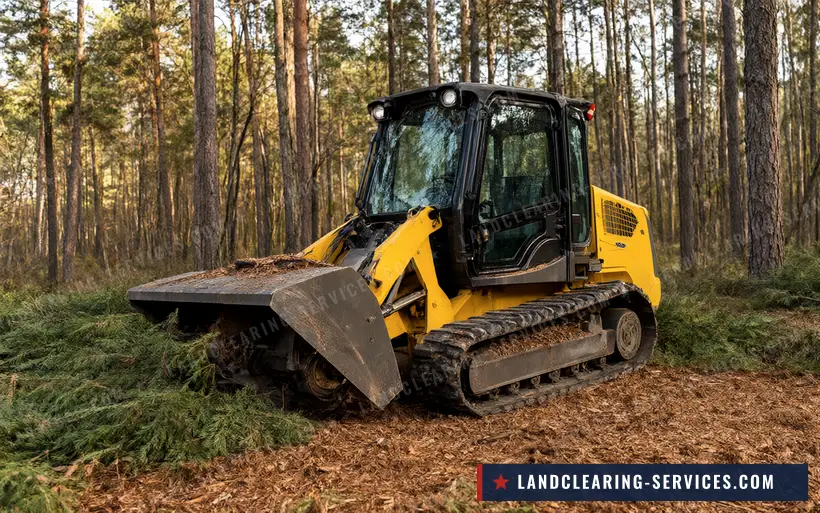
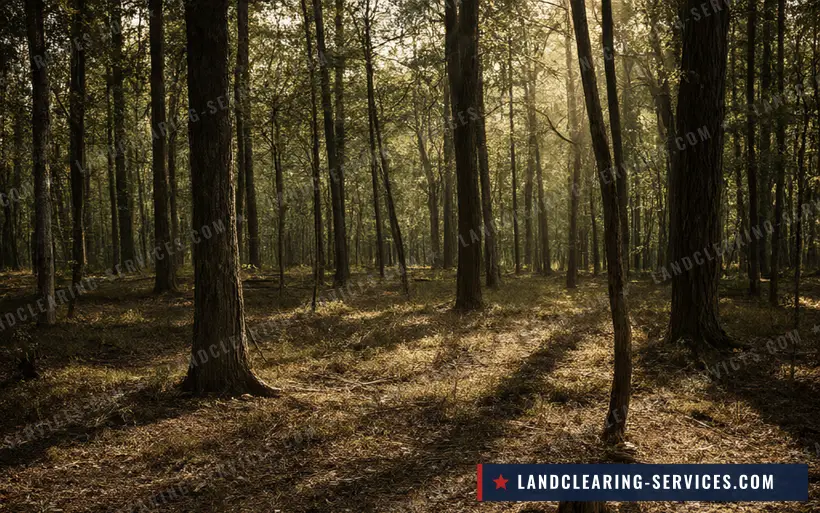
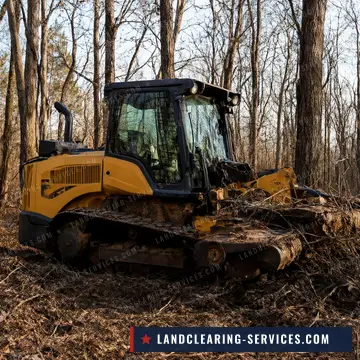
Clearing a heavily wooded tract differs from cleaning up an overgrown property. Wooded acreage involves timber volume, thick root systems, and stem weight that require an excavator, a heavy bulldozer, or a high-horsepower mulcher. Cleaning neglected ground focuses on clearing away brambles, vines, overgrown brush, underbrush, saplings, and storm debris that overgrow an existing field or old home site. Forestry mulching grinds trees and brush into fine material that covers bare dirt to control erosion. Heavy timber sites often require root grubbing and debris transport to prepare the dirt for foundation work. Matching tree size and vegetation density helps us bring the exact machinery needed on day one. Brush removal requires specific attachments to process dense thickets efficiently.
Clearing and Rough Grading for a Build-Ready Site
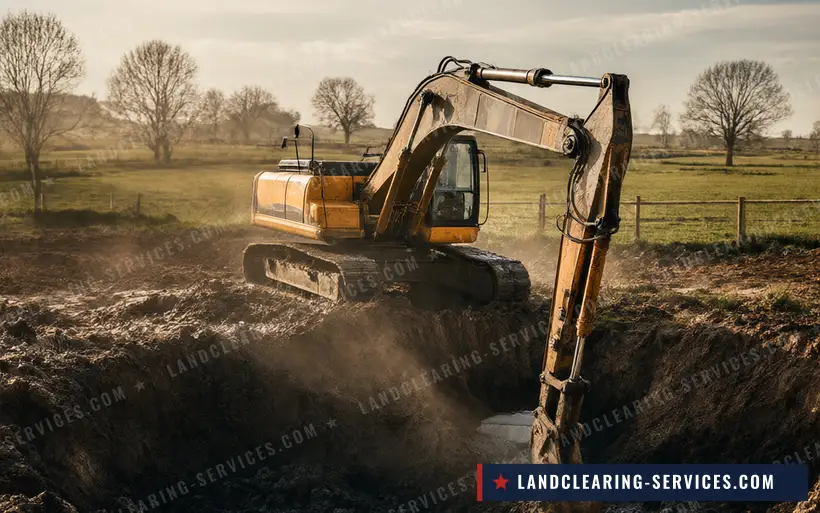
Initial land management and rough grading establish water flow across your build area before the pad contractor arrives. Our crews provide initial excavation services to establish access roads, peel topsoil, and push structural fill into low pockets. Rough grading levels the driveway cut, establishes positive slope away from the proposed foundation, and clears usable space for material staging. We strip brush and undergrowth down to bare soil so civil engineers and pad builders can pull accurate laser shots. The home builder brings in clean structural fill and completes final precision grading. Establishing rough grade upfront protects your investment when heavy spring rains roll through the construction zone.
Cost to Clear a Lot by Lot Size: 1/4, 1/2, 1, and 2+ Acres
Overall cost is calculated by machine day rates, total acreage, stem count, and debris volume. Since 2019, Clearline Land Services has provided transparent land clearing cost estimates so property owners know their costs before work begins. A standard skid steer mulcher runs $2,500 to $3,200 per day with transport included inside 60 miles of our crew's yard. Larger jobs requiring a 300-horsepower dedicated mulcher run $3,800 to $4,500 per day plus transport fees. Here is how standard lot sizes typically price out:
Quarter-acre to half-acre small residential lot
$2,500 to $3,200 total (1 day standard).
One acre light to medium cover
$1,000 to $2,500 per acre; dense timber runs $2,500 to $4,000 per acre.
Two-plus acres complete clear to dirt with stumps removed
$2,500 to $6,000 per acre based on rock and slope.
Stump grinding runs by the inch of diameter, with a $150 to $200 minimum per stump.
Debris haul away
$600 to $1,300 per load depending on landfill tipping fees and distance.
Rock, steep slopes, or muddy ground add a day to the timeline. Dirt is predictable until you strike ledge under the topsoil. Call (888) 709-7985 or fill out our online form. Marisol will email you a budget range the same day and schedule your free on-site quote.
Lot clearing Cost Calculator
Planning range from 2025–2026 national price data. Change any answer and the range updates.
Open the full land clearing cost calculatorPermits, Setbacks and Protected Trees Before Clearing a Lot
Local municipal rules regulate tree removal, buffer zones, and ground disturbance before heavy equipment touches your dirt. Tree protection ordinances in growing metro areas like Atlanta, Raleigh, Austin, Charleston, and Portland strictly protect mature trees and require permits to take down native oak or pine stems over specific diameter limits. In the Northeast and Great Lakes regions, state wetlands agencies enforce buffer zones around low spots, requiring a minimum setback before removing vegetation. State environmental protection agencies in Pennsylvania, Virginia, North Carolina, and Georgia trigger formal erosion control permits whenever site preparation disturbs more than one acre of dirt. Always check with your local HOA board and municipal building department, confirm power line clearances, and call 811 for utility marks before starting any clearing work.
Where Lots Are Being Cleared: Building Activity Across the USA
new residential land development is driving strong demand for residential clearing project options across the Sunbelt and Western states. According to the Census Building Permits Survey for 2025 single-family units, building activity is concentrated in key expansion corridors:
- 01
Texas
140,579 permits (including rapid expansion in regional hubs).
- 02
Florida
111,173 permits.
- 03
North Carolina
65,303 permits.
- 04
California
57,739 permits.
- 05
Georgia
44,351 permits.
- 06
South Carolina
39,897 permits.
- 07
Arizona
33,371 permits.
- 08
Tennessee
32,068 permits.
Demand for Oklahoma site prep is also surging, with Oklahoma County logging 4,945 permits around Oklahoma City as builders prep acreage for new subdivisions. Site preparation in Oklahoma often involves removing thick eastern red cedar to prepare acreage for building pads. Contractors and developers rely on local teams to prepare ground efficiently, boosting overall property value for every commercial building or residential project.

Find Clearing Services Near You Across Our Service Areas
Clearline Land Services operates local crews across 48 contiguous states. From small home pads to commercial developments, our operators understand local soils, stem species, and state environmental regulations. Select your state page to review local day rates, common vegetation rules, and regional field cases near your property:
states
- Alabama Site Services
- Arizona Site Services
- Arkansas Site Services
- California Site Services
- Colorado Site Services
- Connecticut Site Services
- Delaware Site Services
- Florida Site Services
- Georgia Site Services
- Idaho Site Services
- Illinois Site Services
- Indiana Site Services
- Iowa Site Services
- Kansas Site Services
- Kentucky Site Services
- Louisiana Site Services
- Maine Site Services
- Maryland Site Services
- Massachusetts Site Services
- Michigan Site Services
- Minnesota Site Services
- Mississippi Site Services
- Missouri Site Services
- Montana Site Services
- Nebraska Site Services
- Nevada Site Services
- New Hampshire Site Services
- New Jersey Site Services
- New Mexico Site Services
- New York Site Services
- North Carolina Site Services
- North Dakota Site Services
- Ohio Site Services
- Oklahoma Site Services
- Oregon Site Services
- Pennsylvania Site Services
- Rhode Island Site Services
- South Carolina Site Services
- South Dakota Site Services
- Tennessee Site Services
- Texas Site Services
- Utah Site Services
- Vermont Site Services
- Virginia Site Services
- Washington Site Services
- West Virginia Site Services
- Wisconsin Site Services
- Wyoming Site Services
Our network delivers consistent day-rate transparency across all service areas nationwide. Transport is included on every land clearing project located within 60 miles of our nearest crew yard.
Frequently Asked Questions About Clearing a Lot
What is the average cost to clear a half-acre residential lot?
A half-acre cleared lot takes one day with a skid steer mulcher, costing $2,500 to $3,200 including transport within 60 miles. Heavy timber, root extraction, or debris transport can increase total pricing for a homeowner.
Can forestry mulching be used on a residential lot?
Yes, forestry mulching is an efficient way to handle brush clearing without disturbing topsoil. It grinds brush and trees so you get the mulch right on-site to clear land, suppressing weeds and protecting against erosion during site prep.
Do professional site prep crews pull stumps or just grind them?
Our crews offer both stump grinding and full root extraction. Stumps inside a future home pad or driveway cut must be dug out with an excavator. Stumps in secondary yard areas can be ground below grade.
How long does site preparation take for one acre?
A typical one-acre job with light underbrush takes one to two days. Heavily wooded sites with large trees, rock ledges, or deep root extraction may require two to three days using heavy machinery.
Can you save specific oak or shade trees during home site prep?
Yes, selective clearing allows us to preserve mature oak or shade trees. We flag protected stems before work starts and operate heavy equipment carefully to prevent root damage within the tree drip line.
Do I need a permit before hiring lot clearing contractors near me?
Rules vary by county. Many cities require permits for cutting timber above specific diameter thresholds, work near wetlands, or ground disturbance exceeding one acre. Check with your building department before clearing begins.
 Land clearing
 Forestry mulching
 Brush clearing
 Tree clearing
 Stump grinding
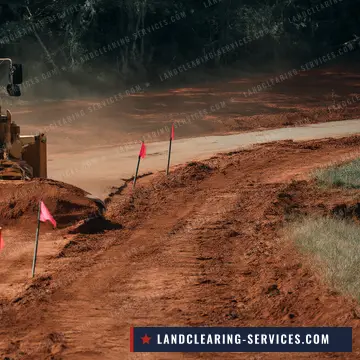 Site prep & dirt work
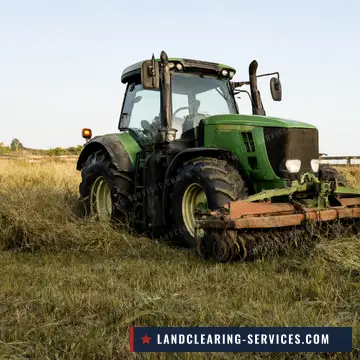 Bush hogging
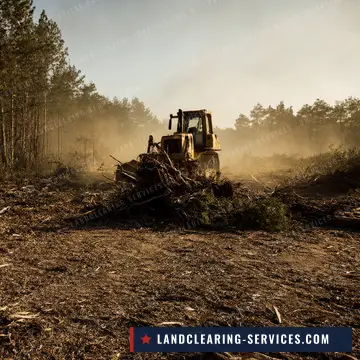 Mulching vs. bulldozing