What Is Land Clearing? Methods, Equipment, Permits and What to Expect on Your Land
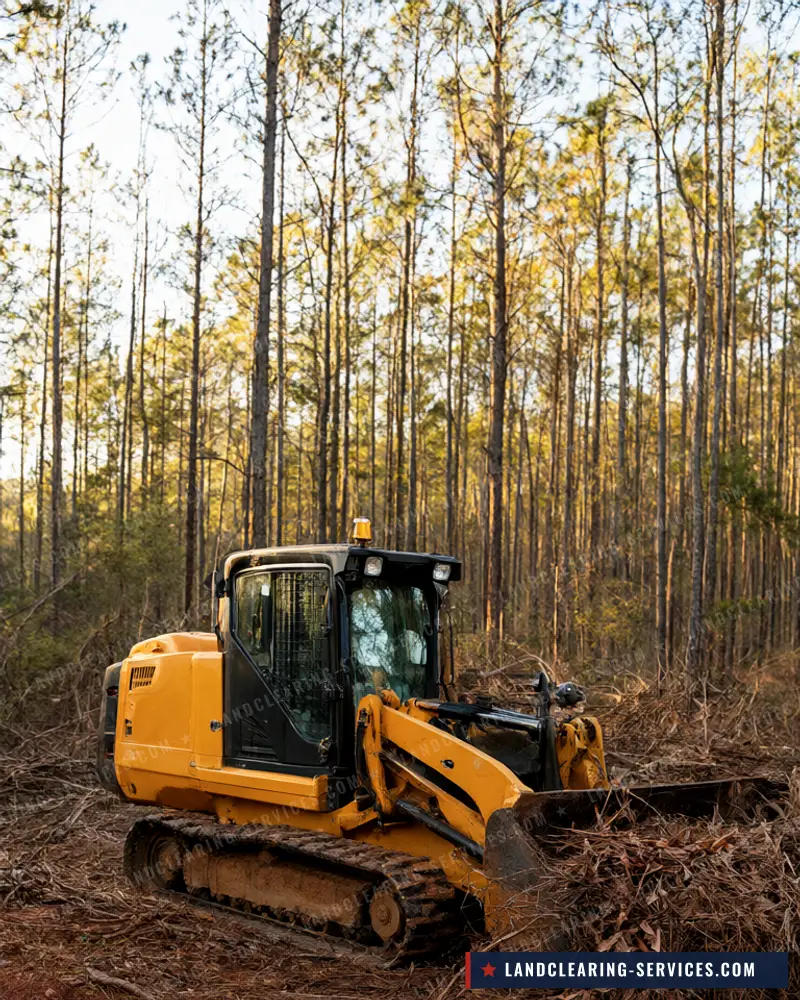
Land clearing is the process of removing trees, brush, stumps and rock from a piece of land so you can use the land for building, farming or pasture. I started on a dozer in Georgia red clay at 19, and after 20 years managing pipeline spreads across 11 states, I founded Clearline Land Services in 2019 to bring clear math to residential and acreage projects. A standard skid steer mulcher costs $2,500 to $3,200 a day with transport included inside 60 miles of the crew's yard, while a dedicated 300-hp mulcher runs $3,800 to $4,500 a day plus transport. Full clearing to dirt with stumps out ranges from $2,500 to $6,000 per acre depending on rock, slope and haul distance. To clear land efficiently, you must choose the right method for your dirt. Call our office at (888) 709-7985 or send the online form. Marisol in our estimating office emails a budget range the same day and books the on-site estimate with the crew nearest you.
- 48 contiguous
states - Insured
crews - Same-day
budget range
48 statesContiguous coverage
$2,500–3,200Skid steer mulcher, per day
60 milesTransport included
Same dayBudget range by email
What Land Clearing Means and What It Includes
Land clearing is essential when overgrown trees and other vegetation prevent access for construction vehicles or block agricultural land. It is the physical removal of standing brush, thick brush, light brush, small saplings, mature timber, stumps and surface boulders. As a land clearing company, we know that clearing transforms an overgrow area into clear ground for residential and commercial builds or pastures. Choosing the right method of land clearing depends on your goals for the ground, the size of the area, the soil composition and the vegetation density.
A complete land clearing project usually involves several stages of land preparation. When clearing a plot of land, your intended land use dictates the method. First, crews perform targeted clearing or selective clearing to protect healthy hardwood trees while clearing away invasive species like privet or buckthorn. Next comes the process of removing deep roots and stumps if you plan to build a foundation. Finally, operators handle rough site preparation, including minor grading to manage surface water flow. Understanding the land clearing process helps you pick the right equipment and keep your total budget predictable from day one. Call (888) 709-7985 to discuss your upcoming project with us.
Land Clearing Methods: Mulching, Grubbing, Dozing, Hand Clearing and Burning
Selecting an effective land clearing method requires matching your machine to the vegetation density and ground condition. On our jobs, we evaluate four primary methods before putting a tractor on a trailer. Rain in November is just mud on the windshield, but on red clay it adds a full day to the haul schedule.
Forestry Mulching
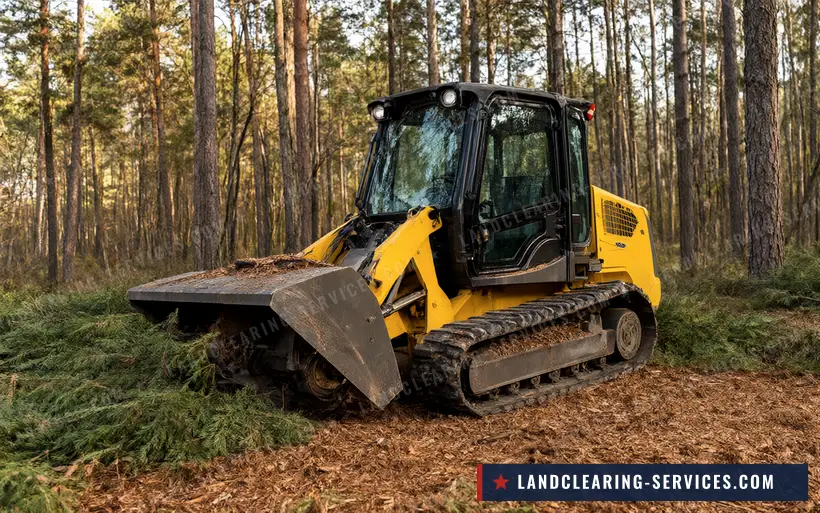
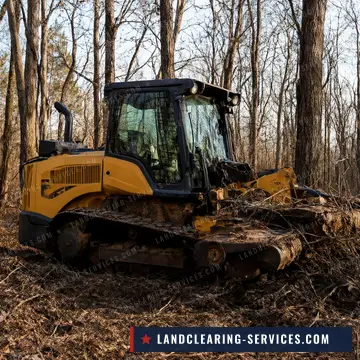
A single-pass method where mulchers grind trees and brush into ground cover. A skid steer mulcher clears light brush and stems up to 8 inches for $1,000 to $2,500 per acre. It prevents soil erosion, retains soil moisture and avoids leaving debris piles that require haul-off.
Grubbing and Dozing
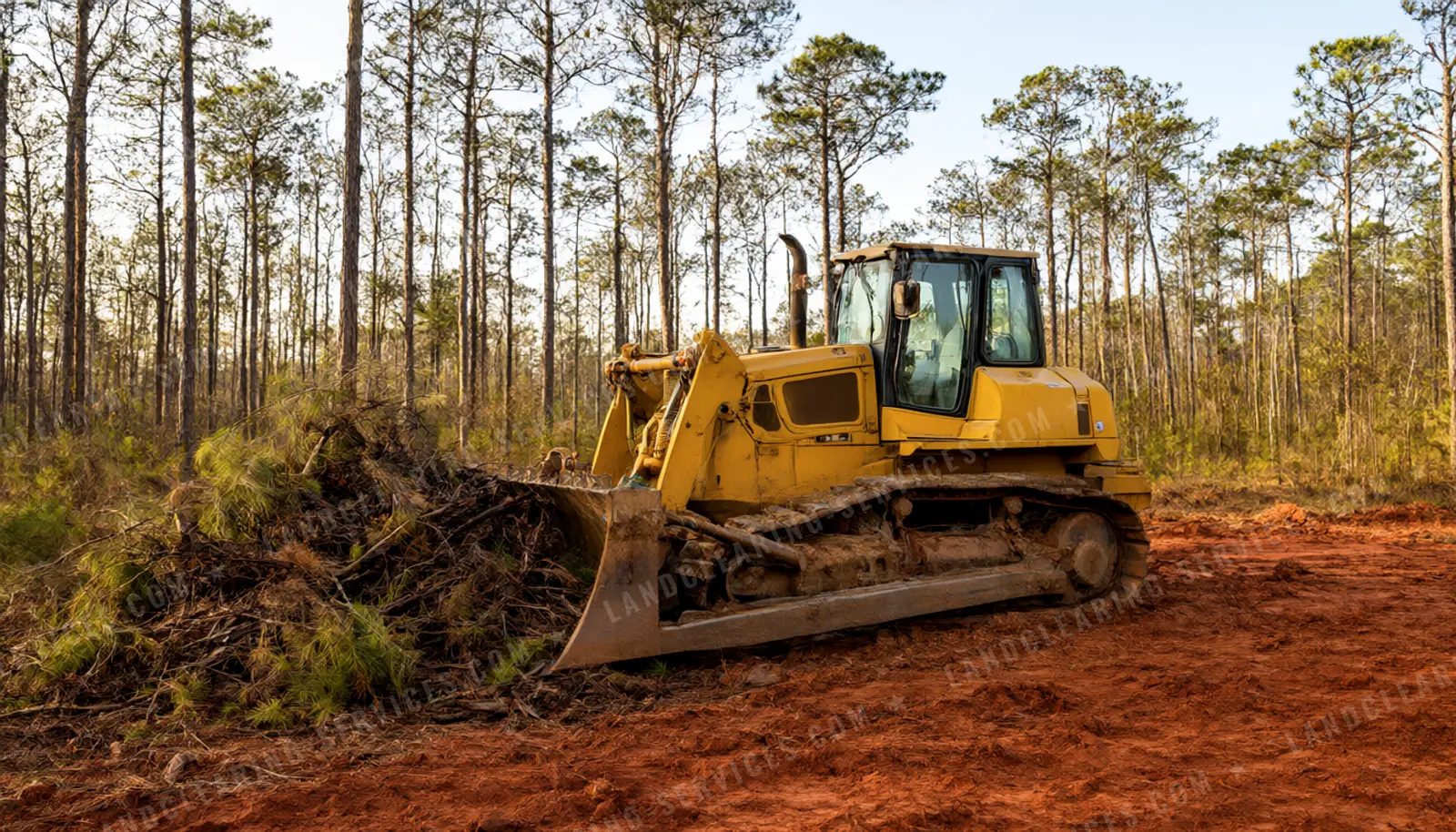
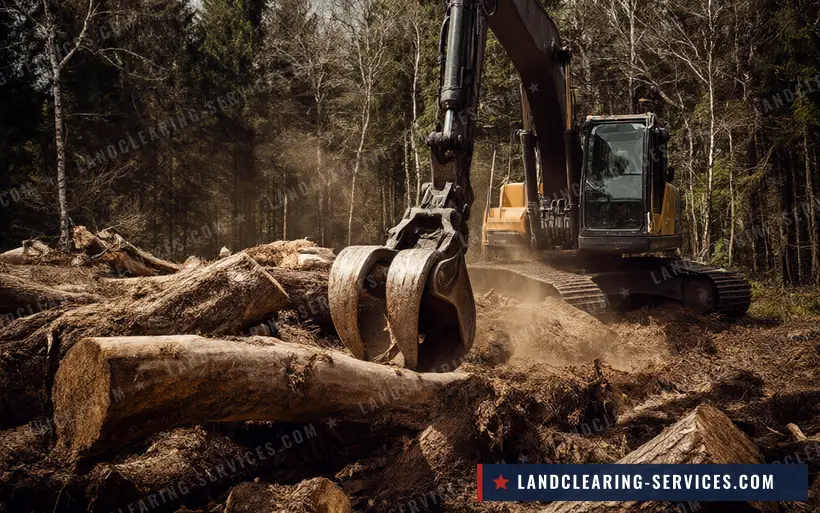
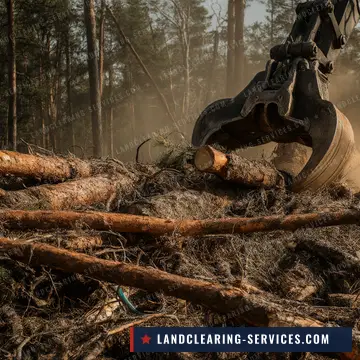
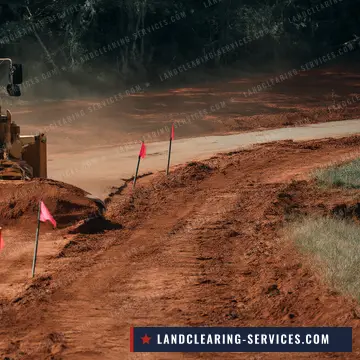
Bulldozers and excavators pop deep root systems out of the ground. This full clearing to dirt costs $2,500 to $6,000 per acre and is necessary when you need to clear ground for a building foundation or concrete pad site.
Hand Clearing
Manual labor using chainsaws works best on small residential lots or sensitive areas near wetlands where large equipment might damage the local ecosystem.
Controlled Burning
Piling brush and setting controlled fires can clear debris on rural tracts for agricultural purposes, but burning waits on state or county permits. Burn permits depend on local air quality regulations and active burn bans.
Proper land management techniques combine these methods to achieve your goals without causing unnecessary environmental impact or soil erosion. Mulching protects the soil structure, while grubbing opens raw dirt for heavy excavation.
Land Clearing Equipment: Forestry Mulchers, Skid Steers, Dozers and Excavators
Deploying the right heavy machinery reduces the overall day count on any tract. Standard clearing services use four main categories of equipment, depending on tree size, rock exposure and terrain slope.
| Machine Type | Best Application | Daily Rate / Capacity |
|---|---|---|
| Skid Steer Mulcher | Light to medium brush, trees under 8 inches | $2,500-$3,200 per day |
| 300-hp Dedicated Mulcher | Thick brush, heavy timber up to 14 inches | $3,800-$4,500 per day |
| Bulldozer with Root Rake | Pushing large timber, clearing away stumps | $150-$200 per hour |
| Track Excavator | Digging deep roots, loading dump trucks | $150-$200 per hour |
A skid steer with a forestry mulching head works like a nimble tree service on residential lots because it maneuvers tightly between valuable trees. When dealing with extensive land or thick brush, a 300-hp dedicated mulcher grinds through dense stands much faster, reducing overall labor hours. For full clearing away of stumps, bulldozers and excavators handle the heavy ground disturbance. Combining a dozer for pushing with an excavator for root extraction is the most efficient way of clearing land and preparing it for major building structures.
Residential vs. Commercial vs. Agricultural Clearing
The scope and goals of a project dictate whether you need residential, commercial or agricultural land clearing services. Each project type requires specific machinery and targeted techniques to prepare the dirt correctly.
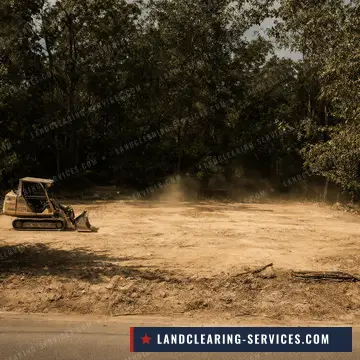
We offer residential land clearing when you build a new home foundation, driveway or defensible space against wildfires. A half-acre house lot typically takes one day and costs $2,500 to $3,200. On a job in Cherokee County, Georgia last fall, we cleared 4 acres of dense privet and sweetgum under loblolly pines in two days using a skid steer mulcher for $5,800. This left plenty of room for new trees to grow.
Commercial clearing focuses on total site preparation for subdivisions, industrial parks or utility right of way corridors. These jobs demand complete stump removal, soil stabilization and erosion control measures to meet municipal civil engineering standards. Farming clearing focuses on restoring pasture or preparing land for farming. For instance, on a tract in Logan County, Oklahoma, we cleared 20 acres of invasive eastern red cedar pasture in 4 days using a dedicated 300-hp mulcher for $18,500 plus transport, reclaiming valuable ground for farming and livestock grazing.
Do You Need a Permit to Clear Land?
Whether you need a permit to clear land depends on the area to be cleared, depending on the location, the local municipality and nearby water bodies. While many rural areas allow landowners to cut down trees without restriction, local regulations often bite when you disturb dirt or clear near streams.
- 01
State Forestry Burn Permits
If you plan to pile and burn brush, most states require a permit from the state forestry agency or local fire marshal. Controlled burning clears land for agriculture when permits allow. For example, the Georgia Forestry Commission requires authorization for land-clearing burns, and active burn bans during dry seasons can halt burning entirely to limit the risk of the fire spreading.
- 02
Wetlands Protection (USACE Section 404)
Under federal law, the US Army Corps of Engineers regulates any placement of dredged or fill material in designated wetlands or navigable waters. Clearing brush near streams requires clear flagging so tractors do not break wetland protection limits. This step helps protect the environment and preserve natural resources for future generations.
- 03
Municipal Tree Ordinances
Many growing cities enforce strict rules that require tree removal services when taking down specimen hardwoods above a certain trunk diameter. Cities like Atlanta, Georgia or Austin, Texas require a permit before contractors can remove trees over specified limits.
- 04
Erosion and Sedimentation Control
Most state environmental departments, such as the Texas Commission on Environmental Quality or the Georgia Department of Natural Resources, enforce rules requiring formal silt fences and disturbance permits whenever a project clears or grades more than one acre of ground.
Always contact 811 before digging or grubbing stumps to locate underground utilities. Consulting local building offices before starting effective land clearing prevents costly fines and work stoppages.
Does Clearing Land Add Property Value?
Clearing overgrown acreage almost always increases its market value, marketability and overall future options. Unmanaged tracts covered in an invasive shrub, bush or dead timber look smaller to buyers, which suppresses reasonable offers.
When you clear the land using proper management techniques, you improve access for buyers, surveyors and appraiser inspectors. Mulching is effective for removing certain types of vegetation, and land clearing can also open natural views for new home construction. In wildfire zones across western states like California, Oregon and Colorado, creating defensible space by thinning vegetation within 100 feet of existing structures reduces property insurance risks. Thinning is important in areas prone to fire. Selective mulching can preserve clear habitat for wildlife. Professional land clearing turns raw overgrown dirt into clear, usable acreage that commands higher market prices.
What Happens After Clearing: Grading, Seeding and Building
Once the initial clearing process is complete, the dirt must be prepared for its intended final purpose. If you used a forestry mulching service, the fine layer of mulch left behind acts as an organic barrier that stabilizes topsoil, prevents soil erosion and suppresses immediate weed regrowth.
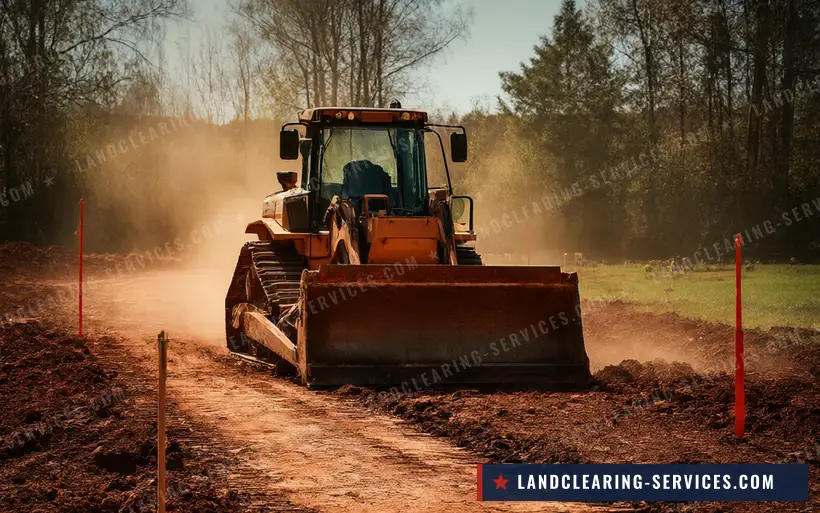
If your project required grubbing stumps down to bare dirt, the next step is rough shaping and soil compaction. This work requires careful planning so rainwater flows away from planned foundation pads. After shaping, landowners typically spread grass seed, hydroseed or lay turf to stabilize bare dirt before home construction begins. Having land clearing necessary for dirt work keeps projects moving smoothly. Proper follow-up ensures that future land development moves forward smoothly without unexpected washouts or settling issues.
Get a Free Estimate for Your Land Clearing Project
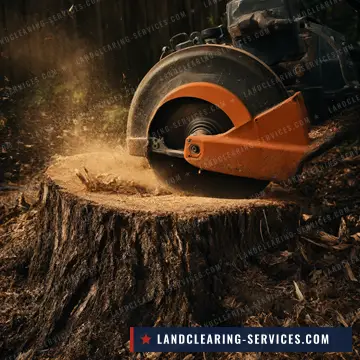
I've priced acreage and lot clearing across 11 states, and I put clear day rates and acres-per-day logs in writing before any machine leaves the yard. Whether you need selective brush removal, stump grinding or total site preparation, Clearline Land Services has experienced crews ready to clear your ground efficiently. Our crew performs brush and tree removal using heavy forestry equipment.
Send the online contact form or call our team at (888) 709-7985 today. Marisol in our estimating office will email you a transparent budget range the same day and schedule a free on-site estimate with the crew nearest your land inside our 60-mile service radius. Let us handle the trees, brush and dirt so your project stays on schedule and on budget.
 Land clearing
 Forestry mulching
 Lot clearing
 Brush clearing
 Tree clearing
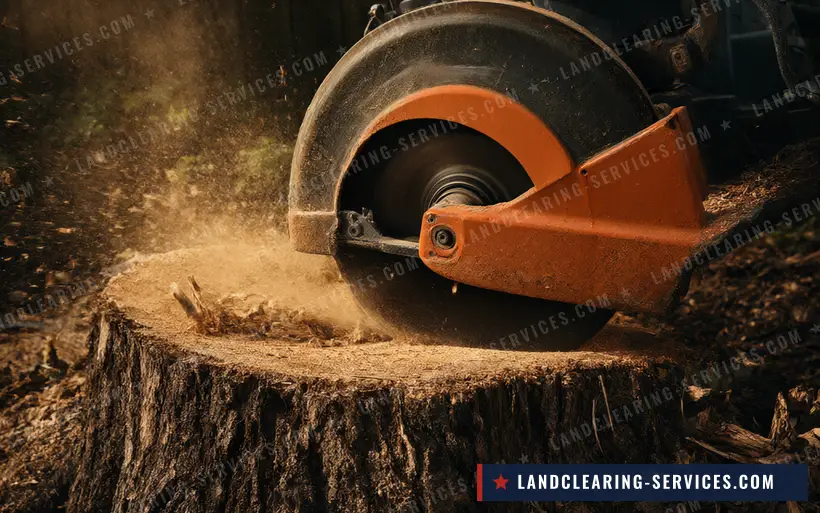
 Stump grinding
 Site prep & dirt work
 Bush hogging