Land Clearing Cost per Acre in Idaho (2026): Sagebrush and rabbitbrush, Lots and Acreage Priced from Real Jobs
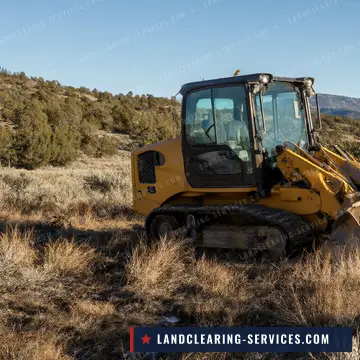
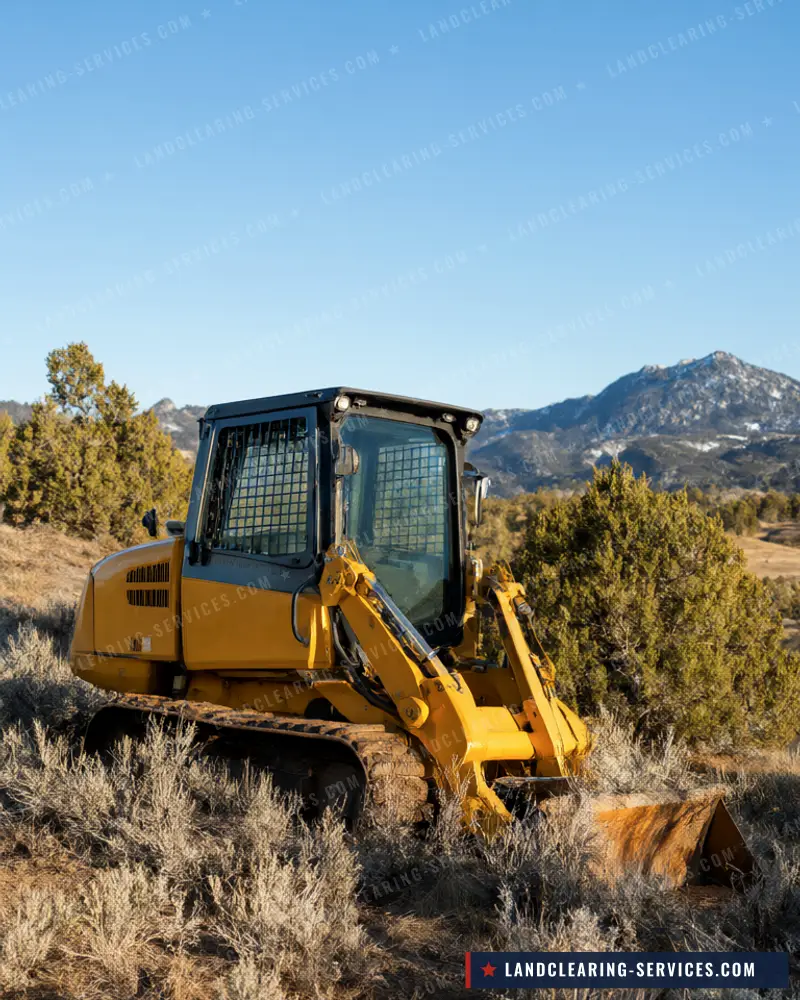
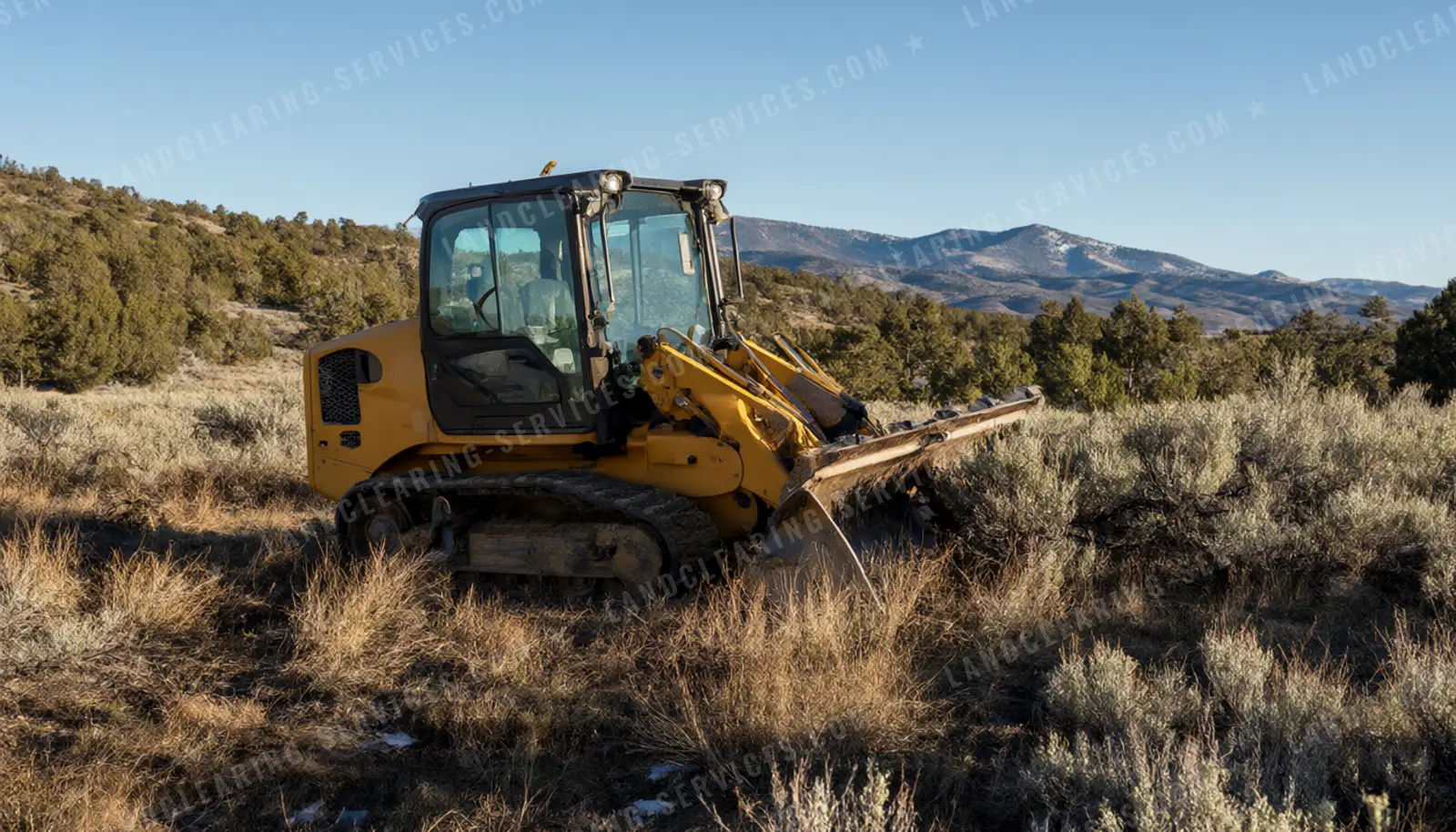
Sagebrush and rabbitbrush on an in-state bench run light per acre, but lava rock and steep foothills change the cost to clear land fast. Soil depth, slope, and fuel density determine your total project cost. A skid steer mulcher runs $2,500 to $3,200 a day, transport included inside 60 miles of the crew's yard. On open benchland, our crews clear two to three acres of light brush a day. On a foothill lot with juniper or basalt cobble, that same machine takes a full day on half an acre. I have priced land clearing project work across 11 states since 2019, and local pricing comes down to soil depth, slope, and fuel density. Call (888) 709-7985 or send the form. Marisol emails a budget range the same day and sets up the free on-site estimate with the crew nearest you. Our land clearing service covers benchland and foothill sites across the state.
- 48 contiguous
states - Insured
crews - Same-day
budget range
48 statesContiguous coverage
$2,500–3,200Skid steer mulcher, per day
60 milesTransport included
Same dayBudget range by email
How Much Does It Cost to Clear Land in ID? Average Cost per Acre
The average cost to clear land falls between $1,000 and $6,000 per acre depending on vegetation density and ground conditions. Overall land costs vary by terrain type. Light sagebrush brush clearing cost per acre sits at $1,000 to $2,500 using a forestry mulcher. Ground slopes and soil rock remain a key cost factor for every job. Heavy timber, bitterbrush, or steep slopes drive the land clearing prices to $2,500 to $4,000 per acre for mulching, while traditional clearing to bare dirt with stump removal ranges from $2,500 to $6,000 per acre. To get a rough cost estimate before an estimator walks the site, a landowner must weigh the machine style against the ground type.
| Clearing Type | Typical Cost per Acre | Equipment Used | Common Terrain |
|---|---|---|---|
| Light Brush & Sagebrush | $1,000 - $2,500 | Skid steer mulcher | Flat benches, loess soils |
| Dense Bitterbrush & Juniper | $2,500 - $4,000 | 300-hp track mulcher | Foothills, draw bottoms |
| Full Clear to Dirt (Stumps Out) | $2,500 - $6,000 | Dozer, excavator, rake | Building pads, pasture conversions |
| Ladder Fuel Thinning (North ID) | Mulcher, hand crews | Ponderosa & Douglas-fir timber |
Every single acre carries unique terrain challenges. A flat acre of land with sagebrush in the Treasure Valley takes less machine time than a steep, wooded lot in the Panhandle. On our jobs, we break down the price to clear land into daily rates so you see where every dollar goes. Call (888) 709-7985 to discuss your acreage with our team.
Land Clearing Cost Calculator for Idaho
Planning range from 2025–2026 national price data, adjusted to Idaho costs. Change any answer and the range updates.
Open the full land clearing cost calculatorCost to Clear 1/2 Acre, 1 Acre, 2 Acres, 5 Acres and 20 Acres
Scale directly changes your cost per acre because transport and setup are a fixed cost. Clearing half an acre carries minimum equipment mobilization, while clearing 20 acres lets a large machine reach its peak daily production rate.
Half acre
$2,500 to $3,200. A residential lot with light sagebrush or small brush and small trees takes one day for a skid steer mulcher for light brush clearing.
One acre
$2,500 to $4,500. Clearing one acre of light brush finishes in a day, but dense juniper or basalt cobble can stretch work into a second day.
2 acres
$4,500 to $7,500. Clearing 2 acres of mixed brush and bitterbrush usually requires two full machine days.
Larger acreage allows a dedicated 300-hp track mulcher to cover terrain rapidly, bringing down the per acre to clear.
Extensive pasture reclamation or wildfire fuel reduction drops the unit cost per acre significantly when managed on a multi-day schedule.
The time and cost required for larger projects depend heavily on whether material is mulched on-site or hauled off. For any size tract, an estimator looks at the slope, access roads, and soil rock before delivering a final written price guide.
Cost by Method: Forestry Mulching vs. Dozer vs. Excavator and Haul-Off
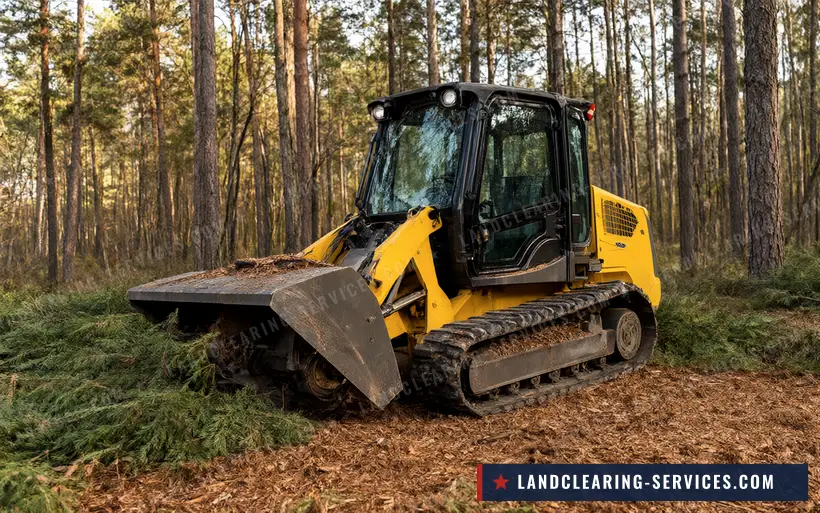
The method of clearing chosen directly dictates the total land clearing investment. Forestry mulching cost per acre is generally lower because it processes trees and brush into ground cover in a single pass without disturbing the topsoil layer. Modern clearing methods reduce labor needs and protect the soil layer.
Traditional clearing relies on a dozer clearing pass to push brush, root-rake rock, and pile material. A dozer or excavator with operator runs $150 to $200 per hour as a standard cost per hour. If roots and stumps must come out, an excavator with a thumb pulls stumps individually. Stump removal or stump grinding runs $3.50 to $5 per inch of diameter, with a $150 to $200 minimum per stump on isolated trees. Haul-off service adds $600 to $1,300 per load if material cannot be mulched or burned.
If you plan to burn piles, know the state burn permit requirements. Under the state Forestry Act (Code 38-115), closed fire season runs from May 10 to October 20, during which you must obtain a burn permit from the local fire warden of the forest protective district before lighting debris. Outside those dates, local county fire bans may still apply.
Cost by Vegetation: Sagebrush, Juniper, Bitterbrush, and Timber
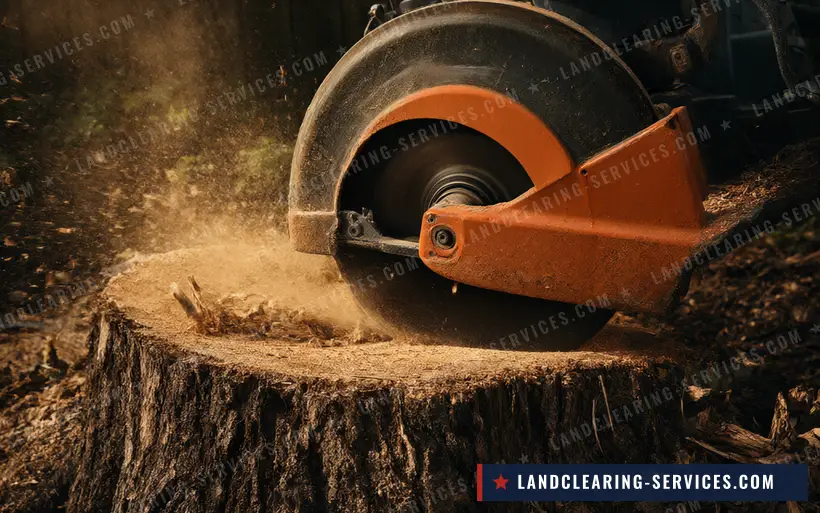
The type of vegetation on your land determines machine wear, tooth consumption, and daily acre yield. Bitterbrush does not yield like sagebrush. Bitterbrush roots hold the topsoil, and its woody stems test a cutter rotor.
Sagebrush and rabbitbrush on the flat benches offer the lowest clearing cost in the state. A skid steer mulcher grinds sagebrush quickly into fine organic matter. Bitterbrush and juniper on foothill slopes increase vegetation density and require heavier track machines. Ponderosa pine and Douglas-fir ladder fuels in North Idaho require thin-and-mulch tactics to create defensible space.

Cost by Region: Treasure Valley vs. North Idaho vs. Eastern Idaho vs. Magic Valley
Soil structure and regional geography change how equipment operates across this state, directly affecting how terrain conditions affect land clearing budgets.
contiguous states
- 01
Land clearing services in Treasure Valley often encounter shallow dirt over rock, which wears down mulcher teeth faster during clearing brush.
- 02
North Idaho
Thick forest duff over granite or basalt bedrock dominates Coeur d'Alene and Sandpoint. Steep heavily wooded lot terrain requires specialized track equipment to manage ladder fuels safely.
- 03
Eastern Idaho & Magic Valley
Volcanic ash soils interspersed with hard lava rock define local eastern and southern counties. Digging stumps or running dozers over surface basalt can add an extra rock day to site prep schedules.
Our crews adjust production estimates based on regional rock hazards and soil conditions to keep pricing transparent across all service areas.
What Adds a Day in Idaho: Rock, Slopes, and Weather Seasons
Every land clearing contractor knows that ground obstacles and weather windows can extend job timelines. Certain terrain conditions add machine days to a land clearing job.
Basalt outcrops and lava rock are notorious for adding a day on building pads and stump extraction work. Working on slopes over 25 percent slows machine speed and requires specialized track mulchers to maintain stability. Weather also impacts project timing. Frozen ground from November to April at higher elevations prevents digging or grubbing, though mulchers run efficiently over hard, frozen soil. Summer brings fire season restrictions from July to September, shortening daily work windows during high-risk days.
For wildfire prevention in foothill regions, defensible space clearing is often priced per 100 feet of perimeter around homes or structures rather than by the full acre.
Lot Clearing Cost for a New Home in Idaho
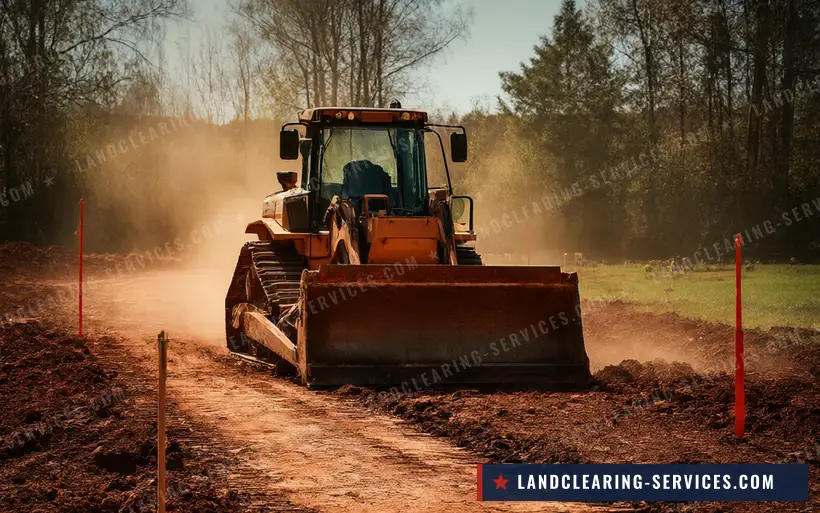
Preparing a residential lot for construction involves clearing vegetation, removing high spots, and creating clean access for foundation crews. A typical half acre residential lot with light cover requires one day of equipment operation, costing between $2,500 and $3,200.
Home building demand drives steady clearing work across Idaho's primary growth centers. According to the Census Building Permits Survey for 2025, state authorities issued 14,112 single-family home permits. Active areas include Ada County (4,637 permits) and Canyon County (3,045 permits) in the Treasure Valley, Kootenai County (1,217 permits) in North Idaho, Bonneville County (713 permits) around Idaho Falls, and Twin Falls County (501 permits). Preparing a wooded lot or overgrown parcel for home site development requires clear coordination between professional land clearing, utility location, and site excavation cost factors.
Before any excavation or ground disturbance begins, state Code 55-2205 requires calling 811 for utility locates at least two business days (and not more than ten days) prior to digging. Protecting underground utilities keeps the job site safe and on budget.
Single-family permits, 2025 Census Building Permits Survey
- Ada County4,637
- Canyon County3,045
- Kootenai County1,217
- Bonneville County713
- Falls County501
Real Jobs and What They Cost
Examining completed clearing projects shows how vegetation type, ground cover, and equipment selection combine to set the final invoice cost.
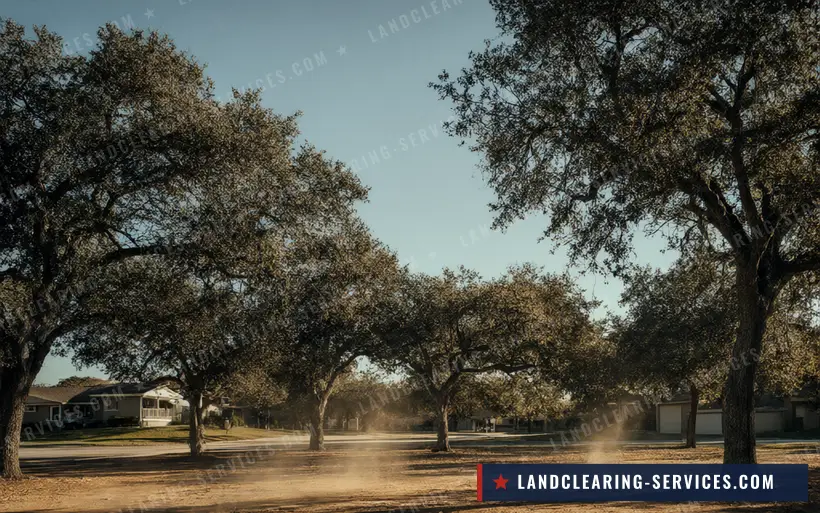
On a tract in Bend, Oregon, last winter, we cleared 2 acres of dense juniper and bitterbrush to establish a wildfire defensible space buffer around a custom home. The job required 1.5 days using a high-horsepower track mulcher, with the final cost coming to $4,600. On a job in Logan County, Oklahoma, we cleared 20 acres of dense eastern red cedar pasture overrun using a dedicated 300-hp mulcher over 4 days, costing $18,500 plus transport. For a standard light brush site, a single acre of sagebrush cleared with a skid steer mulcher typically runs $2,500 for one full day on site.
These real-world cases demonstrate how matching the right machine to specific vegetation keeps the cost of land clearing predictable and manageable.
Day Rates and Hourly Rates in Idaho
Understanding equipment billing structures helps a land owner evaluate quotes from any land clearing company.
Skid steer mulcher
$2,500 to $3,200 per day. Includes equipment transport inside 60 miles of the crew's yard. Ideal for brush and small trees up to 8 inches in diameter.
Dedicated 300-hp track mulcher
$3,800 to $4,500 per day plus transport. Built for heavy timber, dense juniper, and land clearing tasks involving trees up to 12-14 inches.
Dozer or excavator with operator
$150 to $200 per hour. Used for grubbing stumps, pushing dirt, or heavy rock movement.
Minimum trip fee
$1,000 to $1,500 for small, isolated equipment mobilizations.
When considering land clearing options on wooded land, clear daily rate math ensures you pay only for effective equipment time on your land.
EQIP Cost-Share and Tax Questions in Idaho
Landowners working on agricultural land, working timberland, or pasture reclamation may qualify for financial assistance. The USDA Natural Resources Conservation Service (NRCS) offers cost-share funding through the Environmental Quality Incentives Program (EQIP) under practice code 314 for brush management. Interested landowners can apply through their local USDA service center to help offset qualifying brush clearing costs.
Regarding tax deductions, clearing land to improve agricultural production or business operations may be tax deductible as a land improvement or capital expense, but you should consult a certified public accountant (CPA) to review your specific tax situation.
When clearing near property lines, be aware of state boundary laws. State Code 6-202 specifies civil trespass liabilities, including potential treble damages for cutting or damaging wood on another person's land without permission. Establishing clear property markers before work begins protects everyone on site.
Get an Exact Idaho Quote
Planning a project requires firm numbers, clear scope boundaries, and straightforward equipment capabilities. Whether you need selective clearing on a residential lot in the Treasure Valley or ladder fuel reduction in North Idaho, getting a precise estimate using a land clearing cost calculator approach is the first step.
Call (888) 709-7985 or submit our simple online form with your county location, estimated acreage, and ground cover description. Marisol in our estimating office emails a detailed budget range the same day and arranges an on-site review with the crew nearest your land. Here are answers to frequently asked questions about local site work. We clear brush and trees to keep your site on schedule.