Land Clearing Cost per Acre in Oklahoma (2026): Eastern red cedar, Lots and Acreage Priced from Real Jobs
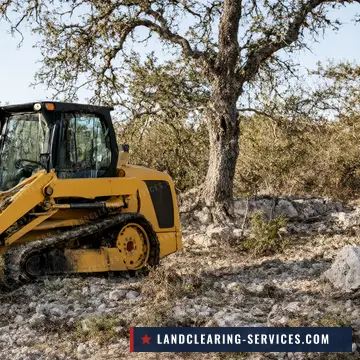
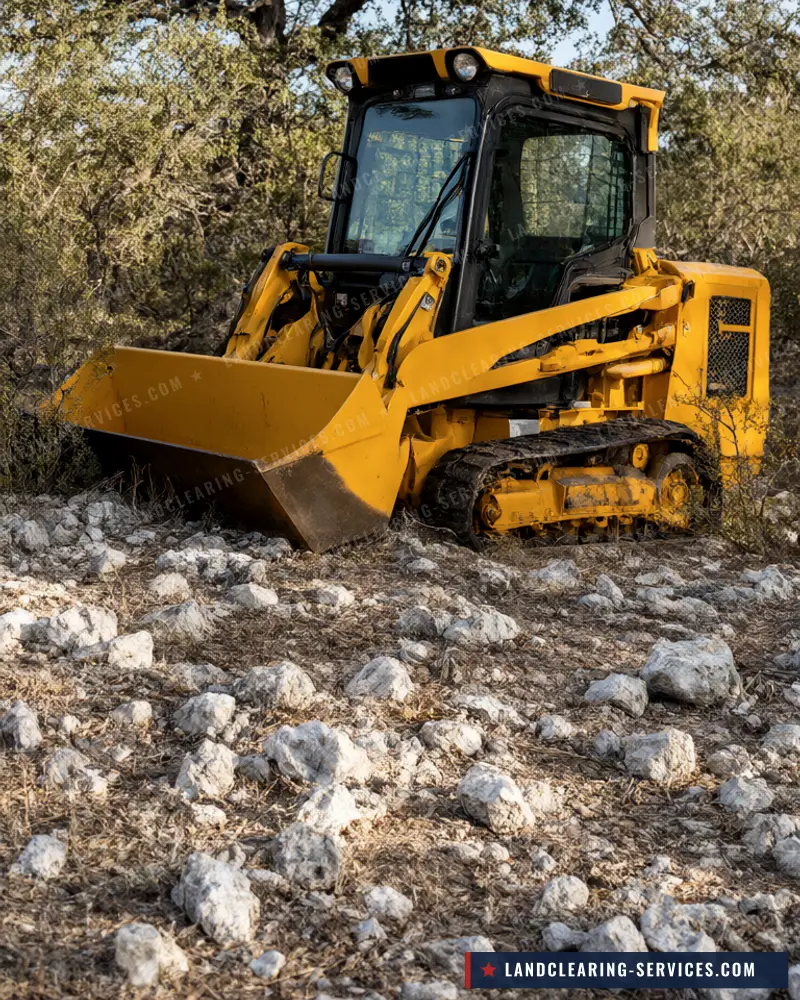
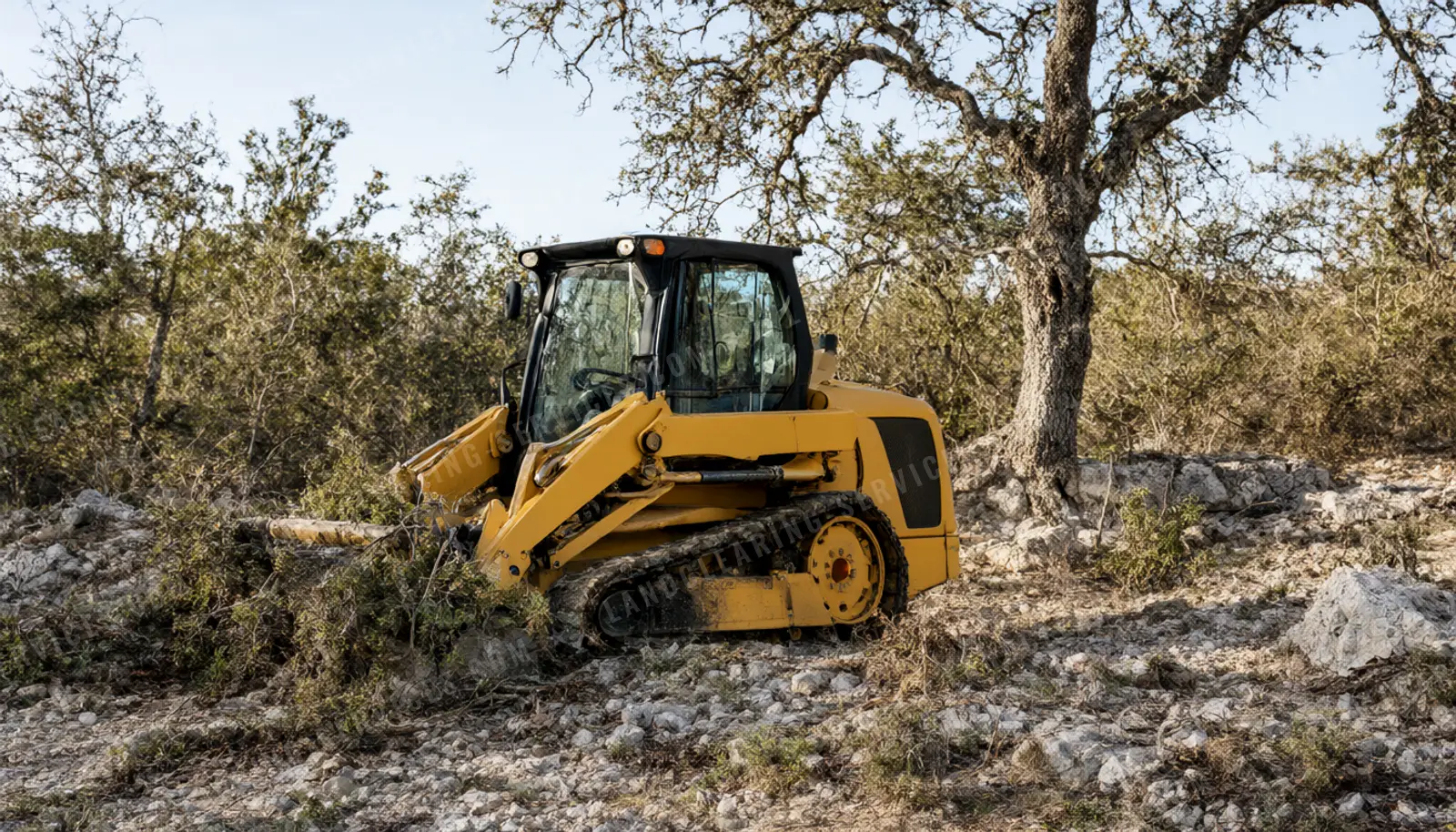
Clearing land in Oklahoma begins with eastern red cedar. An acre of light to medium cedar pasture reclaim runs $1,000 to 2,500 per acre, while dense old cedar stands push into $2,500 to 4,000 per acre. I've priced clearing projects across 11 states since 2019, and the primary cost factor on local dirt is how thick the brush has grown since the last burn. On a tract in Logan County, we cleared 20 acres of dense cedar pasture using a dedicated 300-hp mulcher for $18,500 plus transport. Red clay adds a wet day after heavy spring rain, and shallow sandstone adds a day on site prep pads. We handle every land clearing project with clear daily rates. Call (888) 709-7985 or submit your details online. Marisol in our estimating office emails a budget range the same day and sets up your free on-site estimate with the crew nearest you.
- 48 contiguous
states - Insured
crews - Same-day
budget range
48 statesContiguous coverage
$2,500–3,200Skid steer mulcher, per day
60 milesTransport included
Same dayBudget range by email
How Much Does It Cost to Clear Land in Oklahoma? Average Cost per Acre
The average cost to clear land here spans $1,000 to 6,000 per acre depending on vegetation density, soil, and the chosen method of clearing. Light brush clearing on open pasture starts at the bottom of the price guide, while heavily wooded acres packed with post oak, blackjack oak, and greenbrier reach higher ranges. Understanding local land clearing prices helps when planning work for your acre of land. Eastern red cedar is a plant that never knows when to quit growing, so catching it early saves money. This guide breaks down the total cost of land clearing across our state.
Forestry mulching cost per acre runs $1,000 to 2,500 for light brush clearing and scattered cedar; $2,500 to 4,000 per acre depending on how thick the brush is for dense cedar or oak thickets.
Full traditional clearing to bare dirt (grubbing, stumping, piling, or hauling): $2,500 to 6,000 per acre. Shallow sandstone, steep draws, and long haul distances push costs toward the top end.
Half-acre residential lot
$2,500 to 3,200 total project cost, completed in one day using a skid steer mulcher.
Stump removal and grinding
$3.50 to 5 per inch of stump diameter, with a $150 to 200 minimum per stump.
Our insured crews establish a transparent price to clear before equipment ever hits the dirt. Call (888) 709-7985 to discuss your acreage and get an itemized breakdown.
Land Clearing Cost Calculator for Oklahoma
Planning range from 2025–2026 national price data, adjusted to Oklahoma costs. Change any answer and the range updates.
Open the full land clearing cost calculatorCost to Clear 1/2 Acre, 1 Acre, 2 Acres, 5 Acres and 20 Acres
Project scale changes the cost per acre because equipment mobilization represents a fixed cost that spreads out on larger land costs. Clearing one acre takes more setup per square foot than clearing a 20-acre ranch spread. When pricing a heavily wooded lot, the density of trees and brush dictates whether a crew uses a skid steer or a heavy forestry mulching unit.
Half an acre
$2,500 to 3,200. A standard residential lot cleared in a single day with transport included inside 60 miles of the yard.
One acre
$1,000 to 4,000 for forestry mulching, or up to $6,000 for full grubbing and grading to bare dirt.
Multi-day clearing projects benefit from lower per-acre equipment rates. Knowing the standard rate per acre to clear helps you plan budget limits.
20 acres
$18,000 to 40,000. Clearing a full acre of heavy cedar requires proper machine output.
Every land owner receives a clear estimate detailing daily output expectations and total acreage rates before work begins on their single acre or large tract.
Cost by Method: Forestry Mulching vs. Dozer vs. Excavator and Haul-Off
The chosen method of clearing directly dictates total land clearing investment and soil disturbance. Forestry mulching shreds brush and small trees into rich mulch while keeping roots intact. Traditional clearing uses a dozer to clear trees and pull roots completely out of the ground.
| Clearing Method | Typical Cost per Acre | Best Use Case |
|---|---|---|
| Forestry Mulching | $1,000 - $4,000 | Pasture reclaim, selective clearing, trail cutting, wildfire fuel reduction |
| Dozer Clearing | House pads, driveways, ponds, complete agricultural dirt work | |
| Excavator & Haul-Off | $3,000 - $6,000+ | Infill residential lots, urban building sites needing debris disposal |
Haul-off fees run $600 to 1,300 per load when debris cannot remain on site. Burning remains popular in rural counties, but open burning must comply with Oklahoma Department of Environmental Quality rules (OAC 252:100-13) and keep fires at least 500 feet from neighboring residences. High winds frequently halt burning, whereas mulching operates continuously regardless of wind advisories.
Cost by Vegetation: Cedar, Oak, Mesquite and River Bottoms
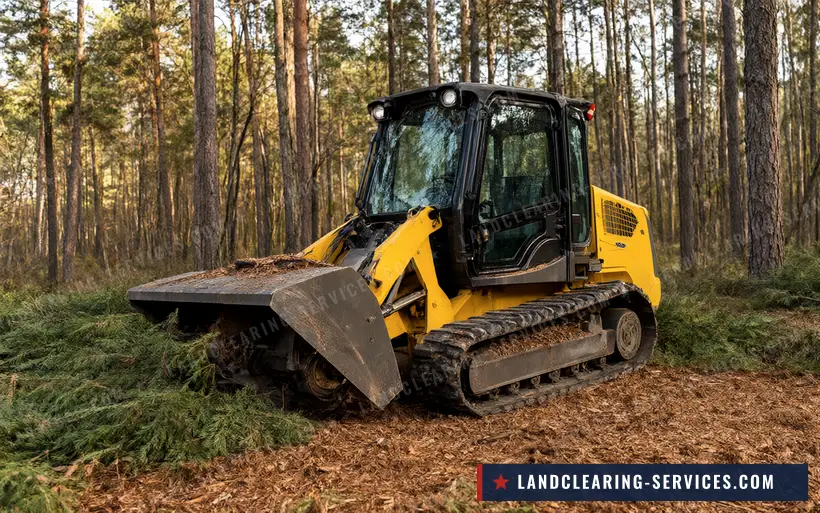
Vegetation type is a primary driver that will affect land clearing speed and machinery wear. Eastern red cedar encroaches rapidly on pastures across central and eastern regions. Cedar stems break easily, allowing a forestry mulching head to shred multiple trees per minute at standard pasture reclaim rates.
Post oak and blackjack oak thickets throughout the Cross Timbers present tough, dense wood that slows machine travel speed. Mesquite in southwest counties demands root-plowing or grubbing because surface cutting triggers aggressive resprouting. Along river channels, salt cedar and dense stands of greenbrier, smilax, honey locust, and sumac create impenetrable thickets requiring high-horsepower mulching equipment. Matching machine horsepower to wood hardness keeps time and cost balanced. Our crews rely on efficient clearing methods to clear thick brush fast.

Cost by Region: Oklahoma City Metro, Tulsa Metro, Green Country and Southwest
Soil variations across the state dictate ground speed and track wear for heavy machinery. Regional ground conditions change how our crews price daily production and track maintenance line items.
contiguous states
- 01
Oklahoma City Metro (Oklahoma, Logan, Canadian, Cleveland counties)
Red clay soil turns slick during spring rains. Shallow sandstone ridges near the surface add a day on pad prep.
- 02
Tulsa Metro and Green Country (Tulsa, Wagoner, Rogers counties)
Rolling hills, dense hardwood brush, and limestone ledges require heavy track guards and steady operator pace.
- 03
Southwest and Panhandle
Hardpack dirt, mesquite, and caliche soil. Caliche acts like natural concrete, increasing teeth wear on ground-engaging tools.
- 04
Southern region (Ardmore, Durant)
Blackland clay and limestone pockets near the Red River. Clay holds moisture, making ground conditions soft after severe weather.
Transport remains included within 60 miles of the crew's regional yard, ensuring predictable pricing across all service areas.
What Adds a Day: Soils, Weather and Site Prep Factors
Unseen ground conditions can extend project schedules. Knowing what delays a machine allows us to put clear extra-day rules in writing before work starts on your land clearing job.
- 01
Red clay moisture
Spring rains from March through May turn central red clay into grease, adding a wet day for dozer operations. Mulchers float far better on soft ground.
- 02
Sandstone and rock
Shallow sandstone ledges in central counties add a rock day when digging house pads or pulling deep stumps.
- 03
High winds
Spring wind gusts frequently trigger county burn bans (2 O.S. 16-26), delaying traditional burn piles while mulching continues unimpeded.
- 04
Dense oak thickets
Dense post oak and blackjack stands move at half the speed of open cedar pasture reclaim.
- 05
Extreme summer heat
High atmospheric temperatures limit safe burning windows, making fall and winter prime seasons for cedar clearing.
Winter ground freezing is brief in January and rarely delays track equipment, making winter an ideal window for brush clearing cost savings. I clear brush and trees efficiently while keeping your job on schedule.
Lot Clearing Cost for a New Home
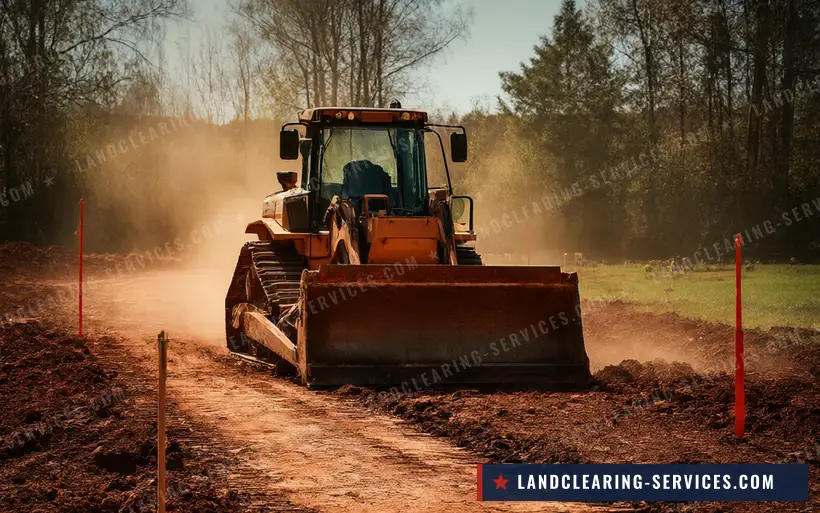
Clearing a residential lot for single-family construction averages $2,500 to 3,200 for a standard half acre. Suburban development is expanding rapidly across major metropolitan counties. According to Census Building Permits Survey data for 2025 single-family permits, growth is concentrated in key areas where land clearing services in Oklahoma county and surrounding regions remain in high demand: Oklahoma County logged 4,945 permits, Tulsa County reported 2,153, Wagoner County recorded 680, Cleveland County stood at 485, and Canadian County issued 314 permits.
Building on wooded land requires clearing trees and brush inside the build footprint while preserving mature trees nearby. Suburban municipalities like Edmond, Norman, and Tulsa suburbs maintain local tree preservation guidelines. Before digging driveways or utility trenches, state law (63 O.S. 142.6) mandates calling 811 at least 48 hours in advance to mark underground lines.
Real Jobs and What They Cost: Cedar Reclaim, Mesquite and Hardwoods
Reviewing historical job data helps a landowner gauge how site conditions correlate to total invoice amounts. Here are real examples cleared by our regional crews.
- Job log
Case 3 (Logan County)
$18,50020 acres of dense eastern red cedar pasture reclaim. Cleared in 4 days using a dedicated 300-hp mulcher. Total cost: $18,500 plus transport.
- Job log
Case 2 (Weatherford, TX)
$2,900Half-acre residential lot choked with mesquite. Cleared in 1 day by one of our Texas crews using a skid steer mulcher. Total cost: $2,900.
- Job log
Case 1 (Cherokee County, GA)
$5,8004 acres of privet and sweetgum under loblolly pine. Cleared in 2 days with a medium skid steer mulcher. Total cost: $5,800.
On our jobs, we cleared these properties by matching machine power to ground cover density, ensuring efficient daily production without wasted machine hours.
Day Rates, Hourly Rates and Calculator Inputs
Understanding equipment pricing structures ensures clarity when evaluating any land clearing company. We offer predictable daily and hourly pricing structures tailored to project size.
Skid steer mulcher with operator
$2,500 to 3,200 per day. Transport included within 60 miles of the regional yard. Handles brush and trees up to 8 inches in diameter.
Dedicated 300-hp mulcher with operator
$3,800 to 4,500 per day plus transport. Shreds stems up to 12-14 inches in a single pass.
Dozer or excavator cost per hour
$150 to 200 per hour with operator included. Ideal for dirt work, stump grubbing, excavation cost management, and pad prep.
Minimum trip charge
$1,000 to 1,500 for small land clearing tasks or equipment moves.
Working with professional land clearing contractors guarantees that day-rate calculations match actual production output on your acreage. Hiring an experienced land clearing contractor helps you clear your dirt without hassle. To figure a rough estimate on your own calculator, multiply estimated job days by the equipment day rate and add any required haul fees.
EQIP Cost-Share and Tax Questions
Landowners reclaiming agricultural pasture lost to invasive cedar can offset clearing expense through federal conservation funding. The USDA Natural Resources Conservation Service (NRCS) offers cost-share assistance through the Environmental Quality Incentives Program (EQIP) under practice code 314 (Brush Management). Eastern red cedar control represents the primary brush practice funded across local agricultural land. Applications must be filed at your local USDA service center prior to launching work.
For tax accounting, land clearing capital expenses generally adjust your property cost basis, though active farm management costs may qualify for immediate business deduction. Consult a certified CPA to apply tax rules correctly to your specific property scenario. We answer frequently asked questions about EQIP cost-share programs for your land.
Get an Exact Quote
Professional land clearing services start with straightforward communication and solid math. When considering land clearing on a tract, we verify terrain and clearing brush needs. Call (888) 709-7985 or submit our simple site form with your county name and acreage. Marisol emails a clear budget range the same day. Learn more about our regional operations on our dedicated Oklahoma land clearing service page.